
The choice to practice kindness during personal challenges functions as a moral directive and as a method to achieve better emotional control. People respond to their day of minor logistical failures and major professional challenges by becoming defensive and showing their irritation. The condition known as “negativity bias” produces a continuous cycle because our negative emotional state leads to damaging social interactions which then result in additional frustration. The active decision to replace a person’s natural response of angry temper with positive behavior of kindness empowers them to take command of the complete situation. People who experience a bad day must process their external reality through induction of external empathy which stops them from feeling internal annoyance.
The Moment of Conscious Choice

I reached a tipping point where I realized that continuing with a negative attitude would only worsen my productivity, leading me to make a logical decision to act with kindness regardless of my feelings.
Interrupting the Negativity Loop

By choosing a soft answer over a sharp one I effectively broke the cycle of “stress-response-stress” which kept the bad morning from determining how the whole afternoon and evening would proceed.
The Power of the Social Pivot

During a retail worker conflict I decided to recognize their dedicated efforts instead of expressing my anger which transformed the conflict into a cooperative relationship.
Observing Immediate Reciprocity
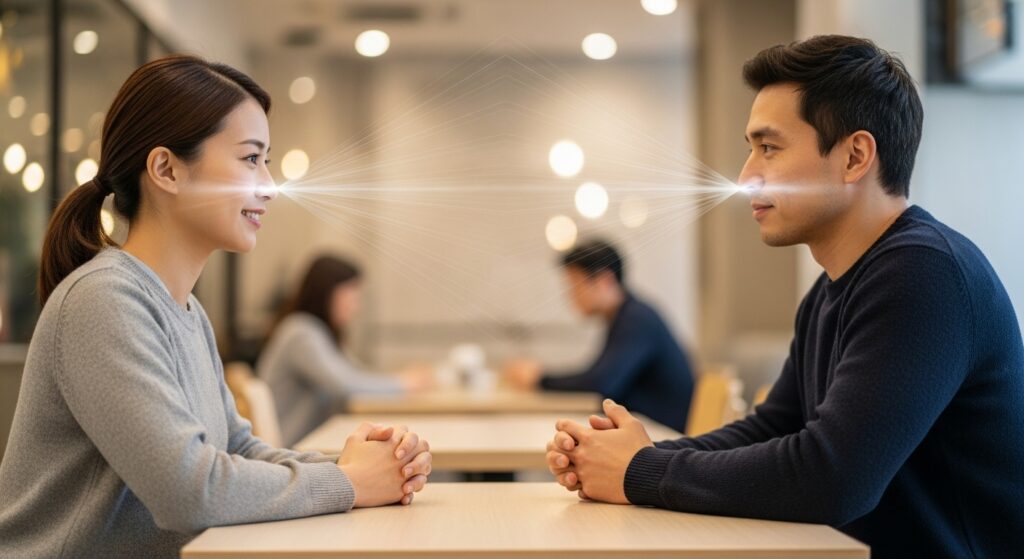
The “mirroring” effect began to operate immediately when I showed patience to the other person, who then returned that calmness to me, which resulted in both parties maintaining respectful behavior towards each other.
Biological De-escalation

I discovered that treating others with kindness produced a physical effect because my breathing became slower and my shoulder muscles began to relax as my brain followed the pattern of my visible actions.
Developing External Empathy

This shift forced me to consider that the people I encountered were likely battling their own invisible pressures which moved my perspective from self-centered irritation to a broader more compassionate view.
Reclaiming Personal Agency

The practice of kindness enabled me to exercise control because I demonstrated through my actions that I could choose to control my behavior and emotional responses despite my inability to fix the traffic or the broken equipment.
The Witnessing of a Ripple Effect
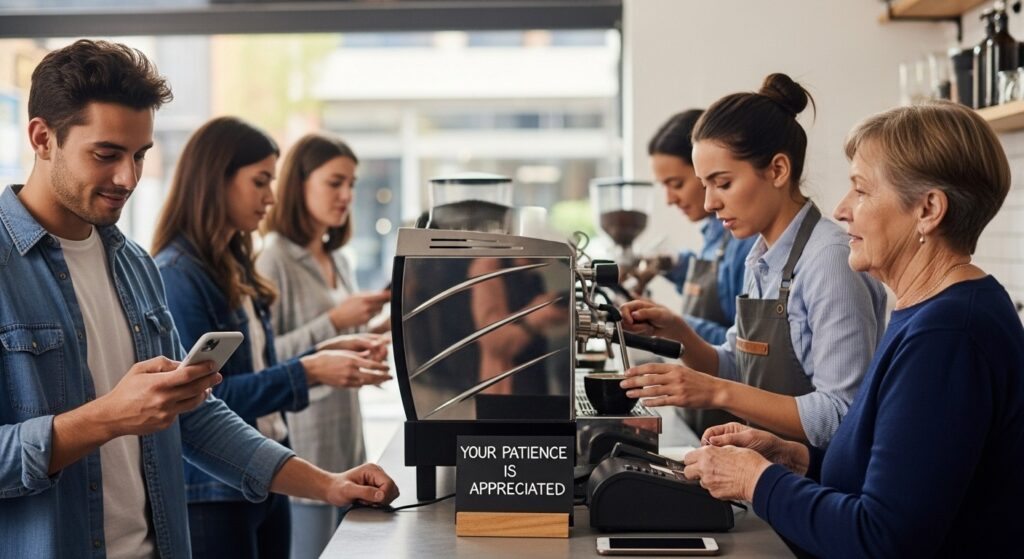
My minor show of patience helped the other person handle their next customer with greater dignity which showed how one decision leads to consequences that extend to others.
Enhanced Cognitive Clarity

I achieved technical problem-solving through positive social contact because the chemical “fog” from my anger had cleared up and I could now see things with a more rational and less emotional state.
Diffusing Professional Friction

The workplace assessment process required me to maintain an attitude of receptiveness while using “thank you” as my response to praise which stopped a workplace conflict from developing into a long-term social problem.
The Reframing of the Day’s Narrative

I stopped defining the date based on the negative events of the day by the time I reached midday, because I had already created successful and enjoyable connections with people despite these obstacles.
Building Long-term Resilience

This experience served as a “stress test” for my character because it demonstrated that people can practice kindness as an active skill even when they experience low motivation to fulfill their social duties.
The Final Evening Reflection

The day ended with me accomplishing two things; everything that had started as stressful lost its effect and I achieved a peaceful sense of victory which came from my ability to control my inner self more effectively than my surroundings.
