
The bible that it is today is an extremely selective set of sacred texts developed through the centuries of religious thought and judgment. But its development to the ultimate shape was not smooth and easy. Many early texts circulated among early believers and some were very popular and respected, but eventually found themselves out of the official canon. These excluded works, often referred to as apocryphal books, continue to intrigue historians and readers who seek a deeper understanding of early religious thought. A look at these fourteen books which were excluded can tell not only what was in them but why they were excluded in comparison with the Bible.
Books of Wisdom and Moral Reflection

Some texts that were omitted include the Wisdom of Solomon and Sirach that are all concerned with living a good life, discipline among individuals and seeking wisdom. These texts are thoughtful documents on what is right and just, and how people should act, and tend to sound rather like the canonical wisdom literature. They were not universally accepted in all traditions, even though they are so extensive and powerful, which led to their omission in some Bibles.
Historical Accounts of Struggle and Faith
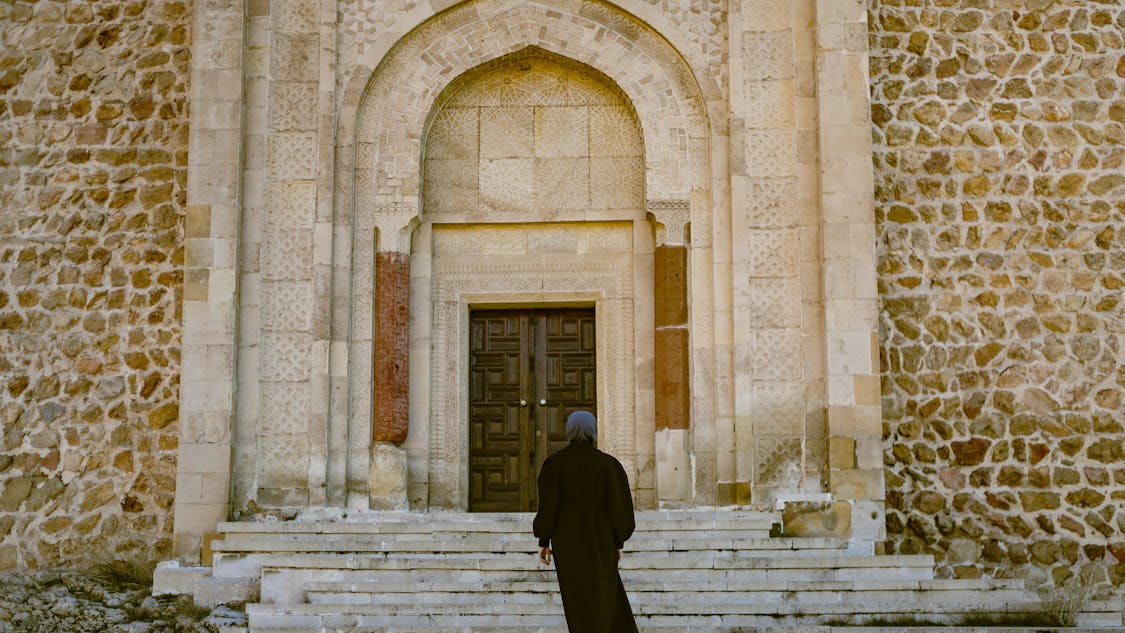
First and Second Maccabees are alternative historical accounts that give accounts of important events and struggles that ancient societies encountered. The themes found in these texts include perseverance, leadership and cultural identity in periods of conflict. Their inclusion in the biblical canon across traditions was often rejected, though they provide valuable historical background and contributed to theological discussions about their status and compatibility with other traditions.
Additions to the Books of Esther and Daniel
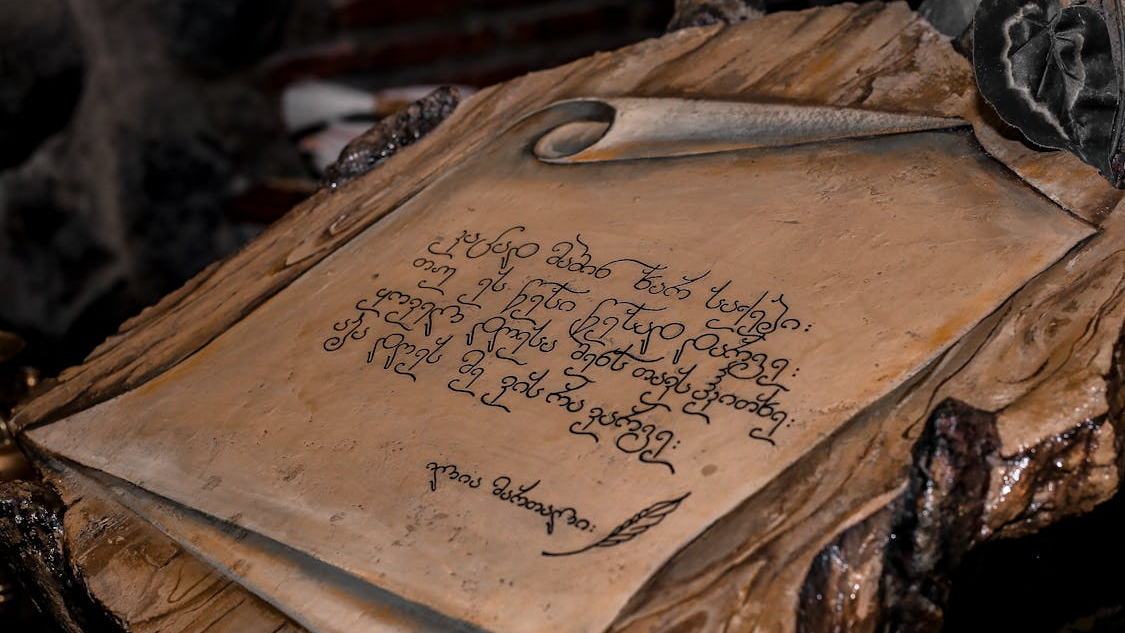
Some of the omitted texts are not independent books but a kind of supplement to the already existing biblical accounts. They are additions to Esther and Daniel, including the Prayer of Azariah, Susanna, and Bel and the Dragon. These verses elaborate the initial stories adding more scenes, prayers and moral teachings. Even though they do add to the storytelling, their origins and authenticity were questioned, leading to their marginalization beyond the official canon.
Narratives of Faith and Courage
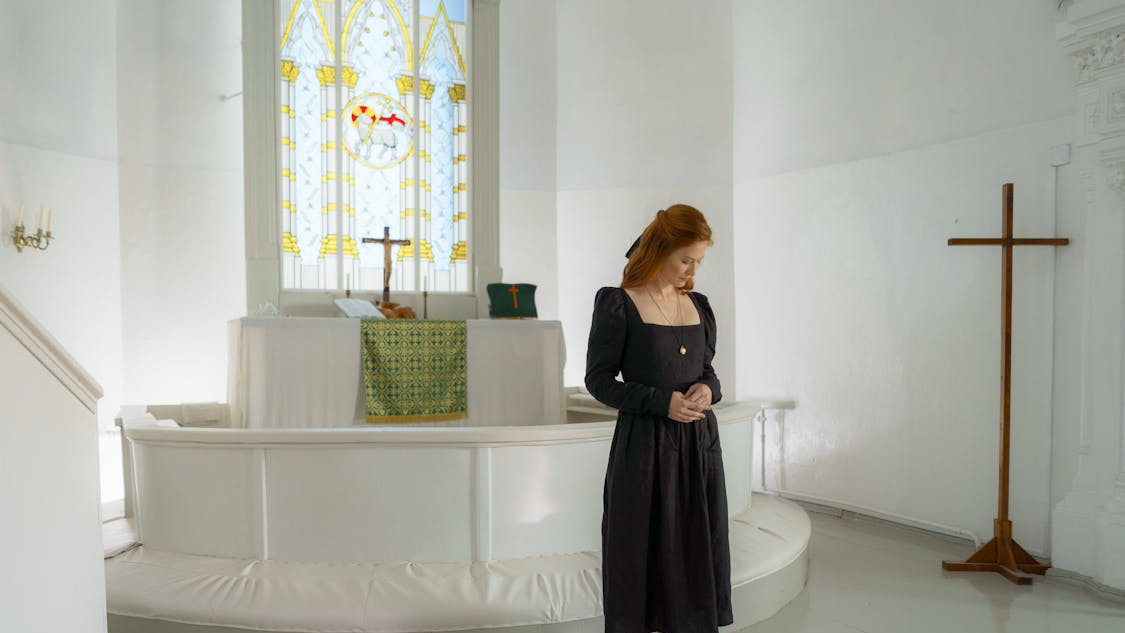
Among the omitted books are Tobit and Judith which provide interesting stories that are focused on faith, perseverance, and God. These narrations portray people that are going through tough situations and survive with bravery and belief and they present good moral messages. Nevertheless, their non-inclusion in the final corpus of the Bible was because of issues over historical accuracy and literary style.
Prophetic Reflections and Messages

The texts Baruch and the Letter of Jeremiah contain the theme of repentance, exile and hope. These texts resonate with the tone of known prophetic literature and offer an opinion of spiritual conflicts of ancient societies. In spite of their content value, ambiguities about their authored and historical context led to their exclusion.
Expressions of Prayer and Repentance

The Prayer of Manasseh is a very personal and thought-provoking work dedicated to repentance and humility. It lays stress on the need to repent and re-enter the way of righteous living. Although spiritually strong, it was less known amongst the early communities and therefore it had fewer opportunities of being canonized.
The Full List of the 14 Banned Books

The fourteen books which were generally not included in most versions of the Bible are Tobit, Judith, Wisdom of Solomon, Sirach, Baruch, First Maccabees, Second Maccabees, additions to Esther, additions to Daniel, the Prayer of Azariah, Susanna, Bel and the Dragon, the Letter of Jeremiah, and the Prayer of Manasseh. Cumulatively, these texts represent a wide spectrum of literary styles, diverse historical narratives, and theological views that existed at the time the early religious tradition was formed.
