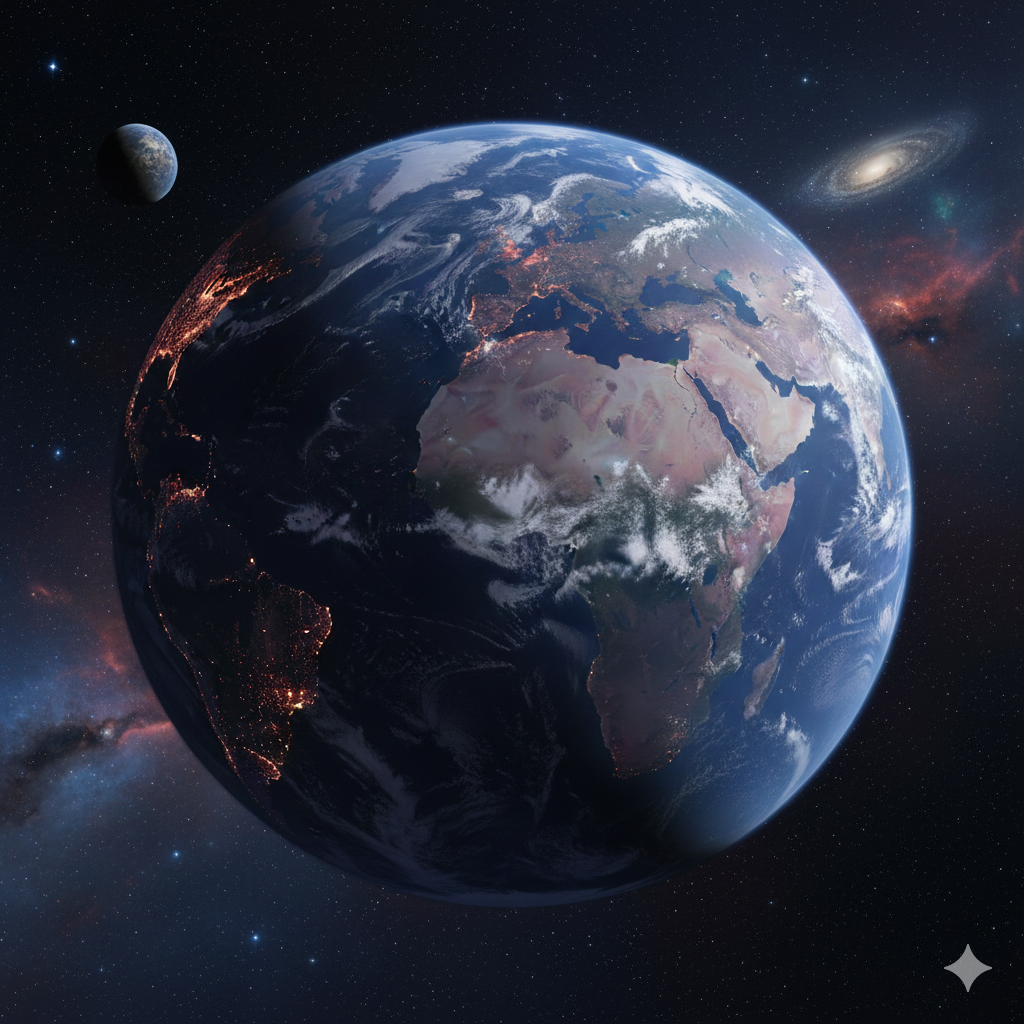
You know how the Earth has that super hot gooey center well that interior is slowly cooling down over time which is a normal thing for a planet. But scientists have recently noticed something really interesting about how heat escapes from deep inside the Earth different parts of the planet lose internal heat at different rates even though the whole planet isn’t cooling evenly as a perfect sphere. This uneven cooling process is connected to how the continents moved around a long time ago and how land and ocean crust handle heat differently. Let’s look at why some regions of our planet release heat faster than others.
Heat Loss Isn’t Uniform
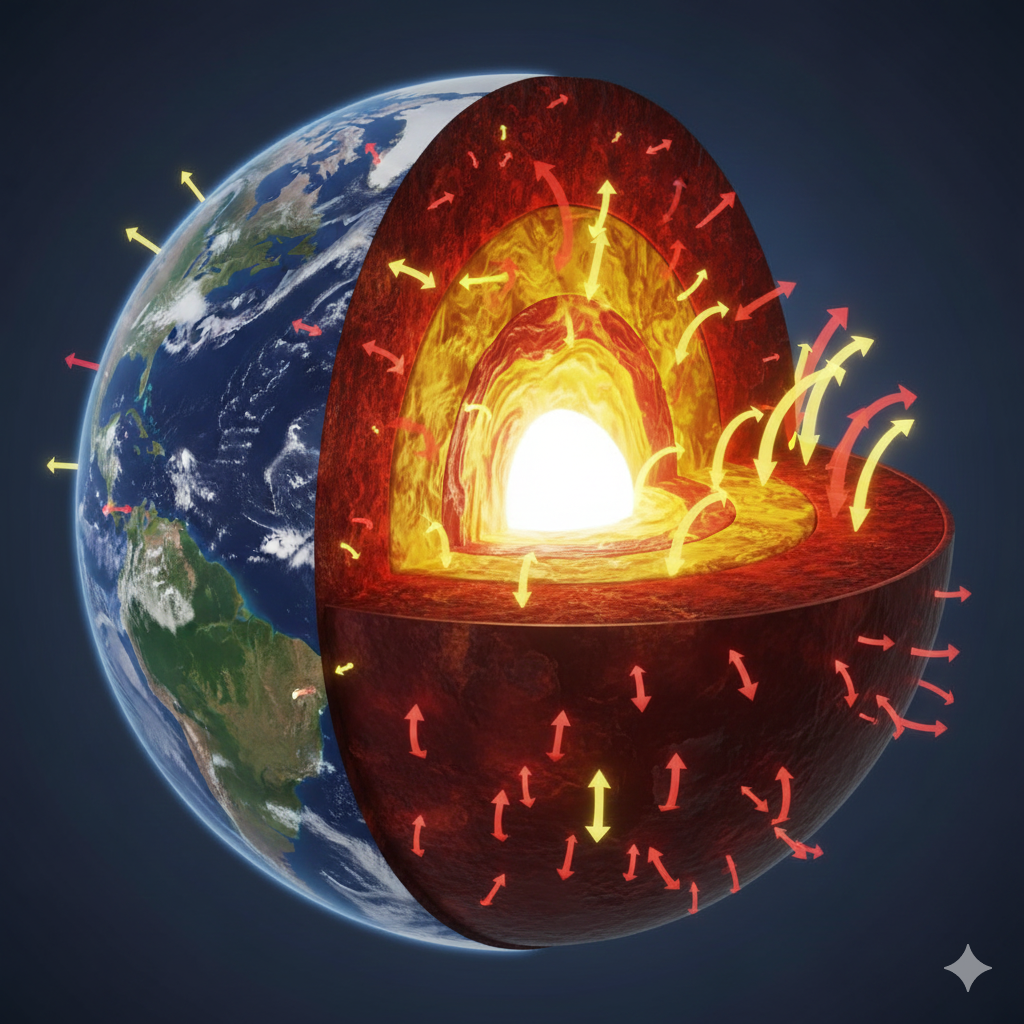
The Earth is slowly losing heat that is trapped inside its core. This makes the whole planet cooler. The heat doesn’t escape evenly across the top, though. Scientists study the differences in how quickly each area cools off.
Land Is A Blanket

Think of the thick continental landmasses like a cozy big blanket or a thermos for the Earth’s interior. Areas covered by huge continents like Africa, Europe and Asia are way more insulated and they hold the heat in better which means continental regions slow down heat loss over very long periods of time.
The Ocean Is a Coolant

The ocean floor which is called the oceanic crust is much thinner than the landmass so it doesn’t insulate the heat very well. The vast cold water volume of the ocean pulls heat away from deeper layers more efficiently which makes oceanic regions lose heat faster over geologic time.
A Tale Of Two Sides
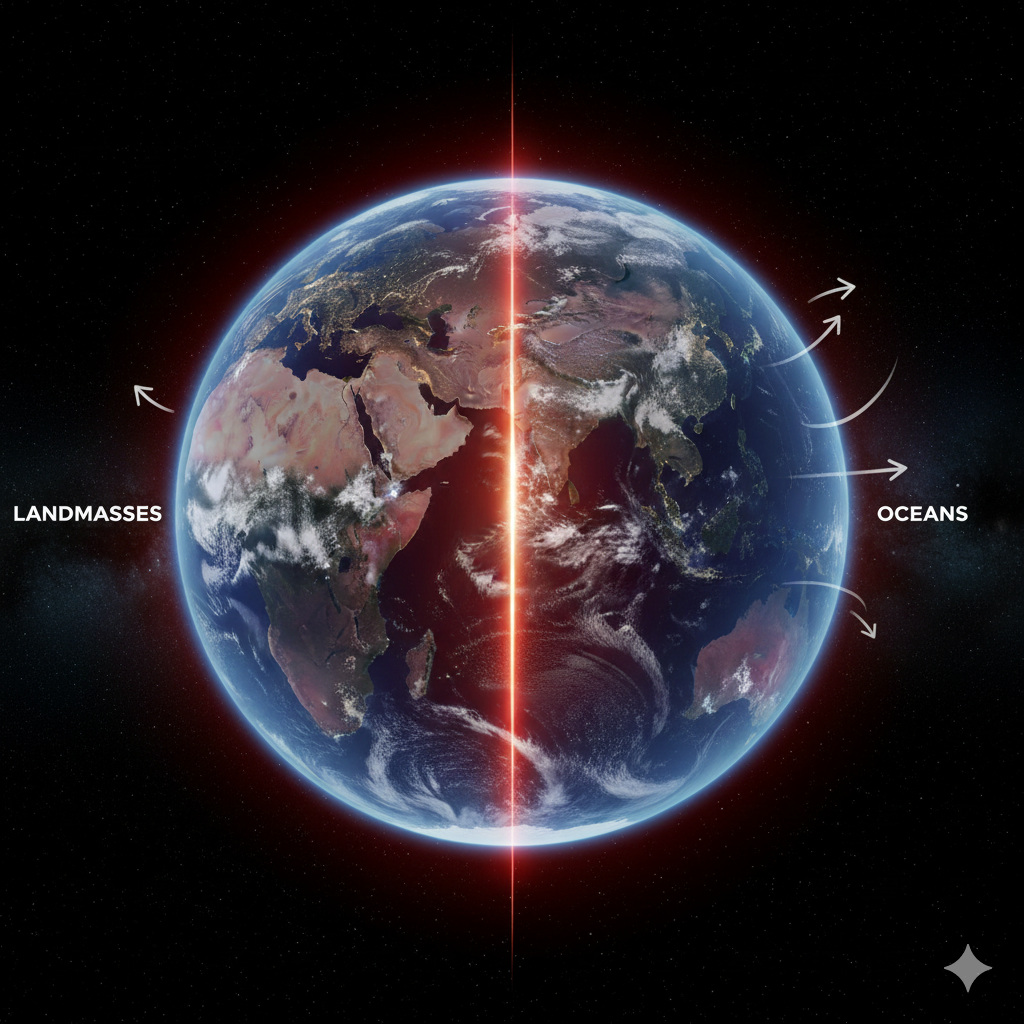
Researchers often compare regions of the planet by grouping more land-heavy areas and more ocean-heavy areas sometimes called the African Hemisphere and the Pacific Hemisphere. Over the last hundreds of millions of years the Pacific side has been dominated by long stretches of ocean which naturally allowed more heat to escape.
Continental Drift Is The Culprit
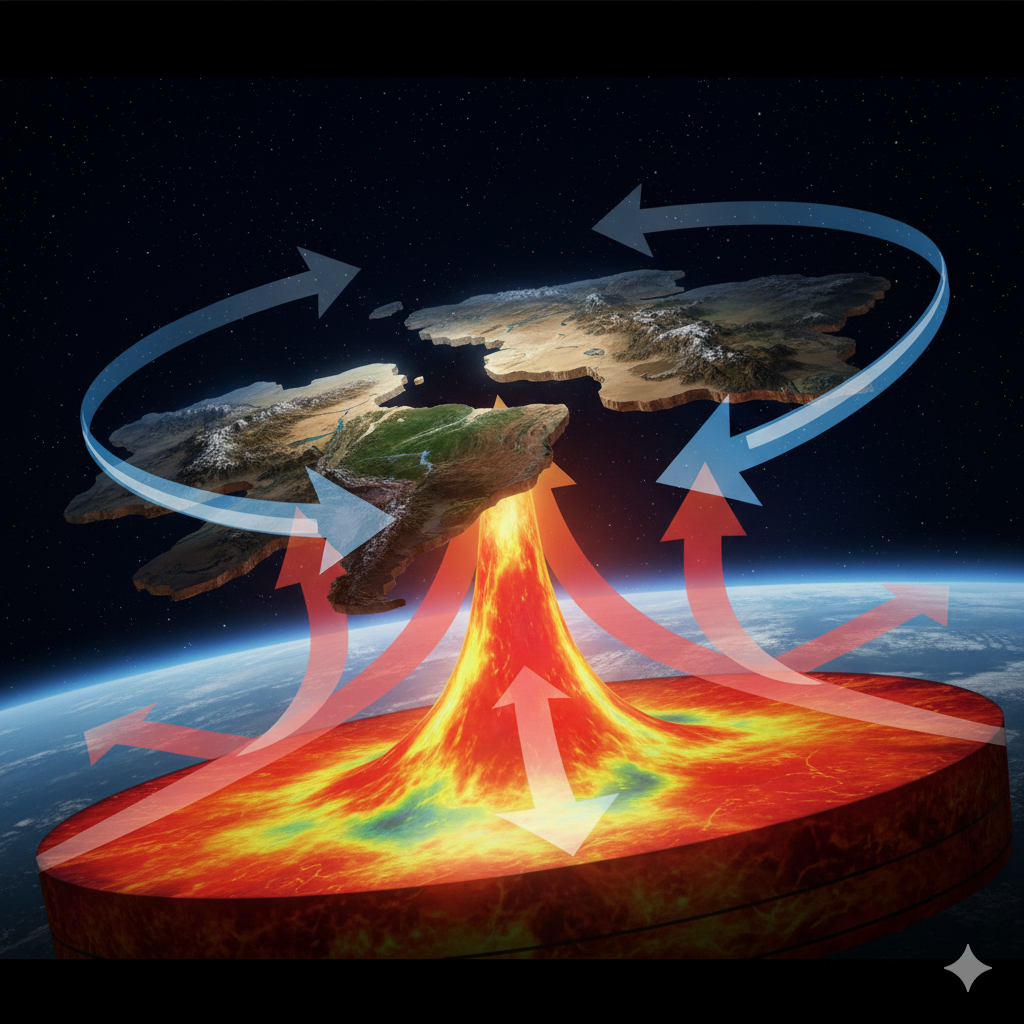
The continents have always been moving around and crashing together or pulling apart which changes how heat is trapped. When massive supercontinents like Pangea existed they acted like giant lids on the mantle reducing heat loss under those landmasses compared to oceanic regions.
Different Cooling Histories
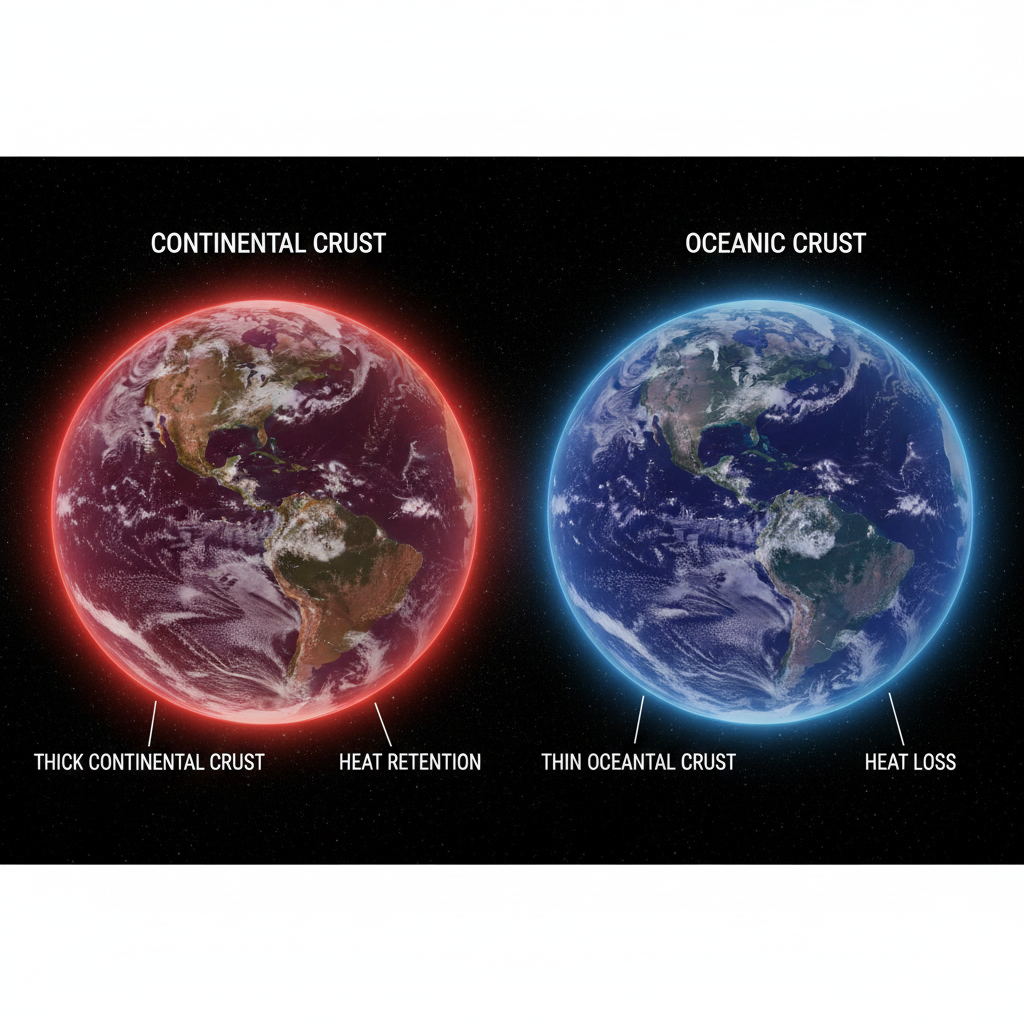
Scientists studying mantle evolution find that ocean-dominated regions have generally shed heat faster than land-dominated regions. The exact numbers vary by model but the overall idea is that thick continents slow heat loss while thin ocean crust speeds it up.
The Surprising Contradiction
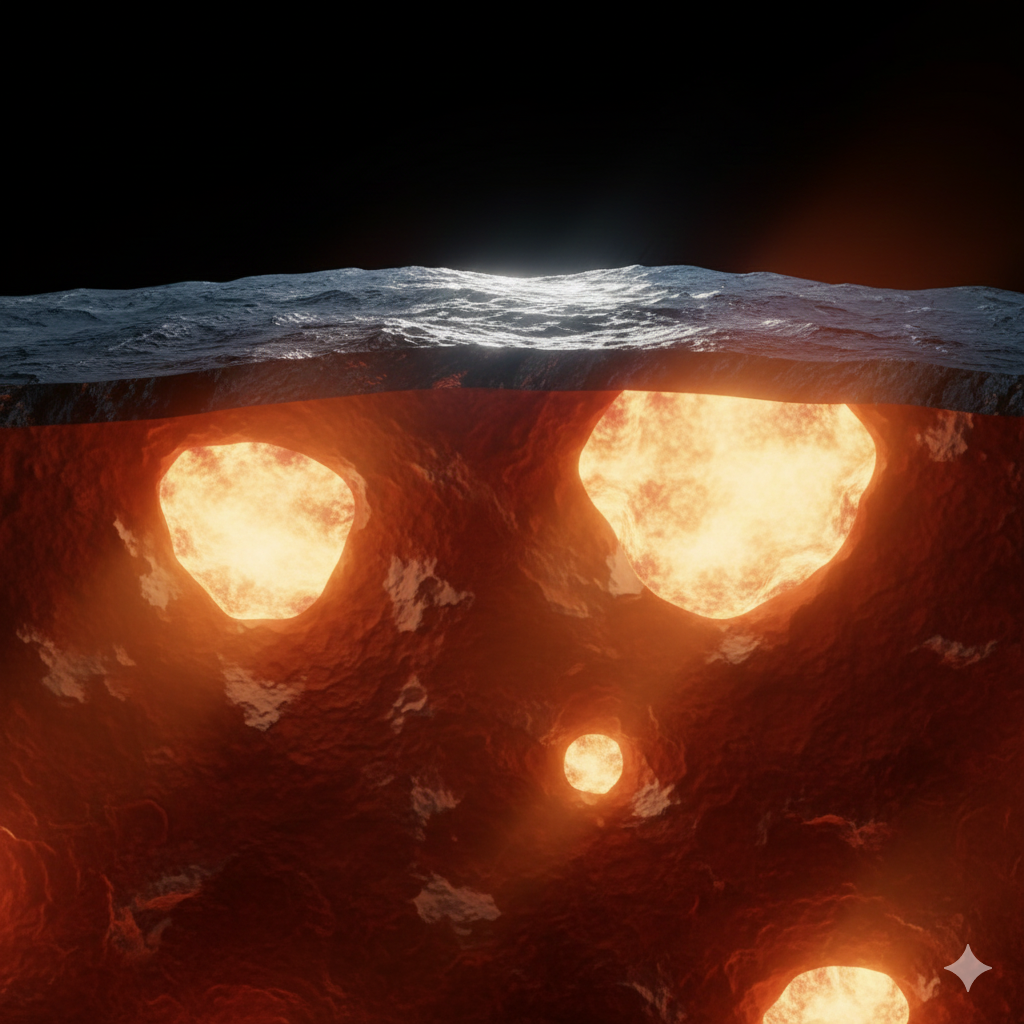
Even though oceanic regions cool more efficiently the deep mantle under both hemispheres still contains pockets of very hot material left over from ancient tectonic cycles. Some scientists think older supercontinents such as Rodinia may have influenced how heat was stored deep below the present Pacific region even if today the surface cools faster there.
Tectonic Plates Move More
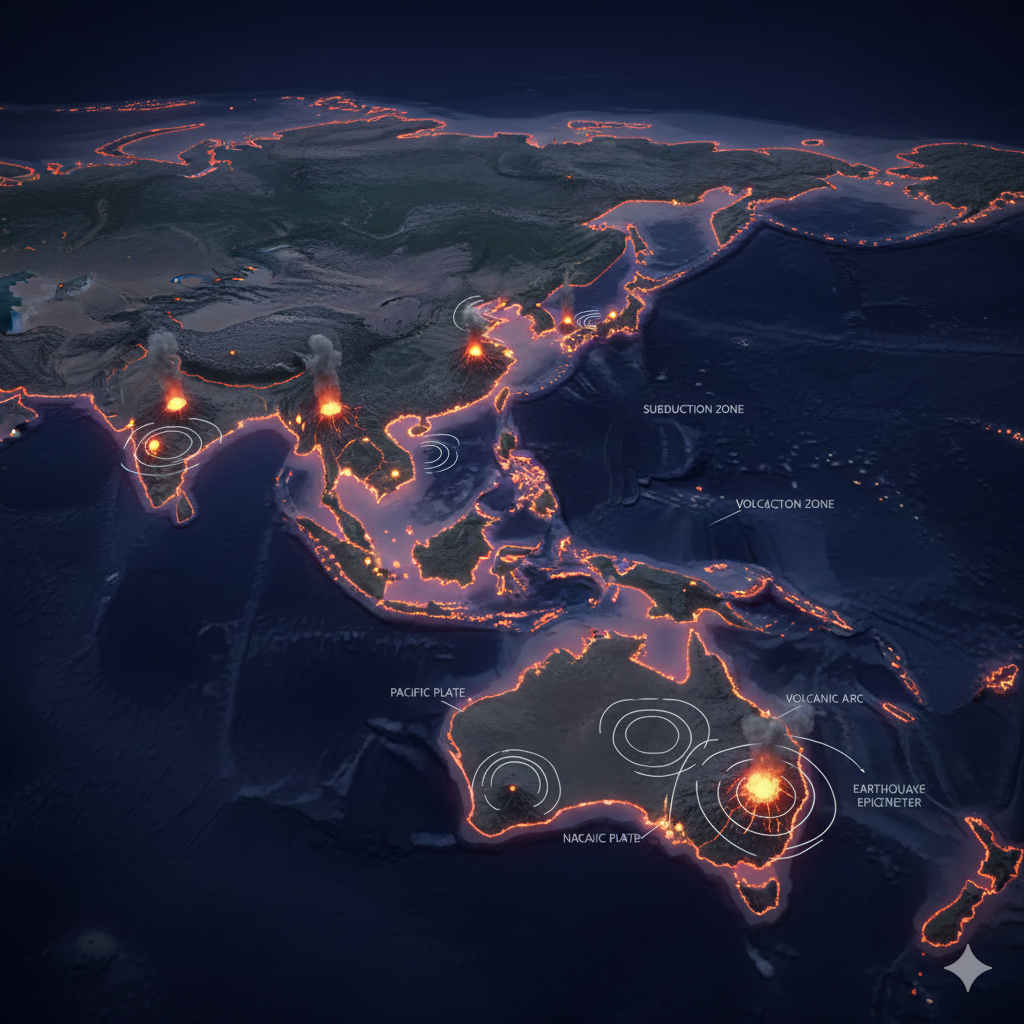
The high amount of tectonic activity like volcanoes and earthquakes we see in the Pacific area today suggests a very dynamic mantle underneath it. The movement of plates affects heat flow as well and areas with lots of subduction zones tend to show more complex thermal behavior.
Understanding Earth’s Future
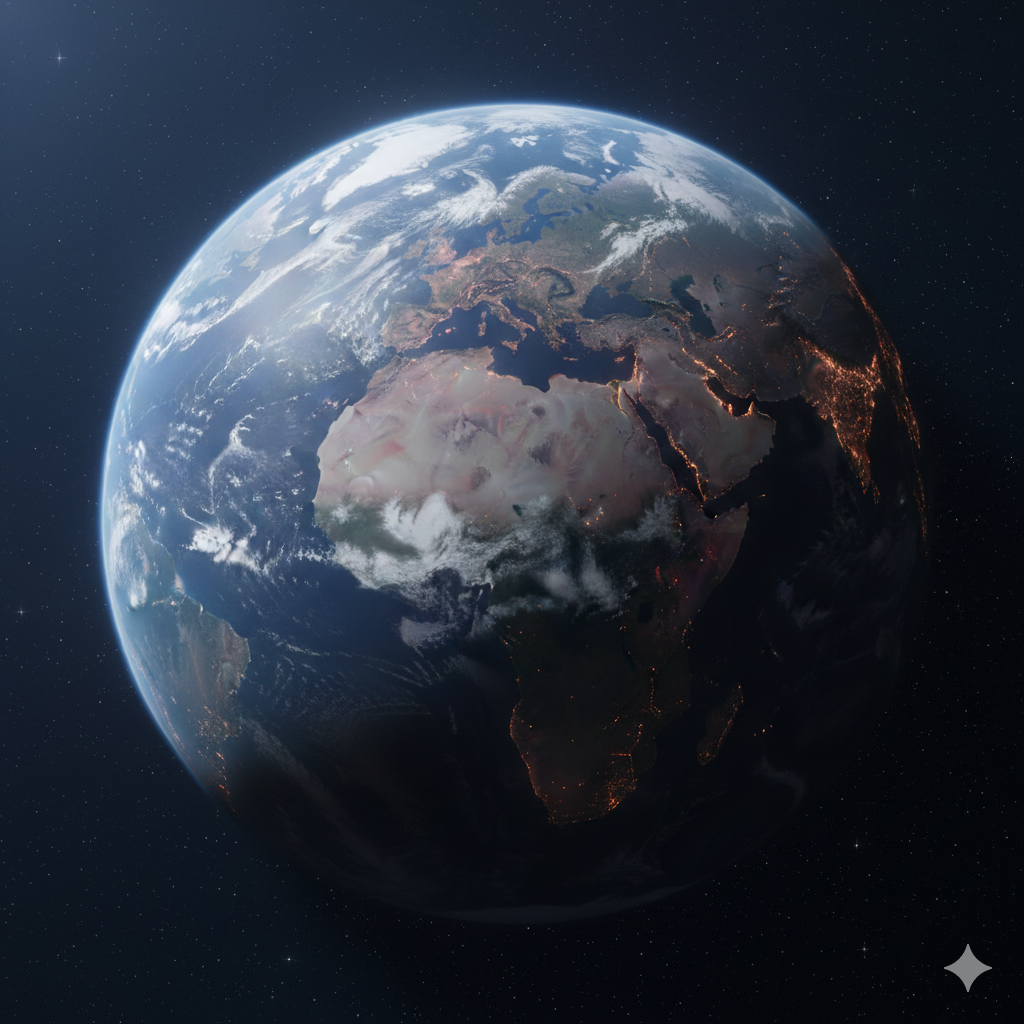
Knowing how heat escapes unevenly helps scientists predict the planet’s very very distant future. Eventually the entire fiery interior will cool and slow down drastically and the planet will become geologically quiet like Mars but that won’t happen for billions of years so it’s not something anyone today has to worry about. Reed : When She Finally Realized Her Partner Was Sleeping With Someone Else
