What time should you wake up? probably not 5 am.
It starts before dawn, people say but real-world rhythms paint a different picture. What matters isn’t racing toward morning light; it’s picking a moment that fits how your body moves, what you need done, where energy goes. Old advice sticks, sure – but clock rules shift when sleep, work, stress mix. Biology doesn’t obey slogans;…
It starts before dawn, people say but real-world rhythms paint a different picture. What matters isn’t racing toward morning light; it’s picking a moment that fits how your body moves, what you need done, where energy goes. Old advice sticks, sure – but clock rules shift when sleep, work, stress mix. Biology doesn’t obey slogans; it follows inner pulses.
The myth of the heroic early riser

Long before coffee kicks in, many see waking up early as proof of hard work. Yet timing matters less than body clock some feel most alive late at night. Being awake at 5 does little good if sleep shifted an hour earlier. Biology often resists the idea that dawn means automatic success.
Your internal clock matters more than the alarm

Life moves to a personal clock that shapes when you feel awake, sharp, or charged – wake up against that beat, even without noticing, and each part slips away. Matching your rise to the body’s true pulse brings mental clarity, makes mornings smoother, lets the whole stretch happen.
Sleep quality outweighs wake-up time
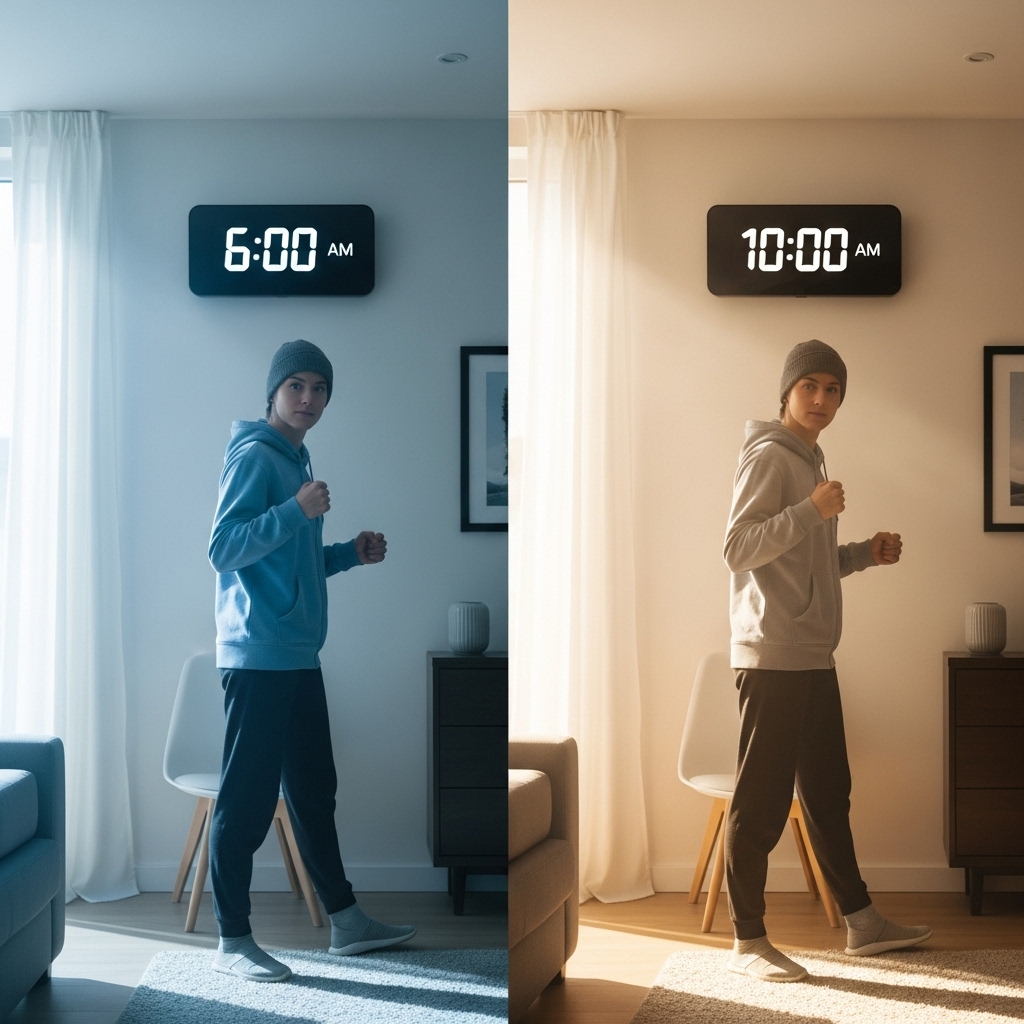
Most nights, a steady sleep weighs heavier than that first beep of the alarm. When bedtime stays constant, mind and body gain steadier ground – memory sharpens, mood eases, energy resets. Waking up soon after a shaky night tends to muddle concentration instead.
Early mornings are not equally practical for all jobs

Life often controls the clock late work, kids, long trips mean bedtime shifts happen naturally. Instead of one timing that fits nobody, adjusting the rise time works better when routines differ wildly. Starting later might feel right for someone who needs solid nighttime recovery after tough daily turns.
Productivity follows energy, not the clock

Best ideas usually come out during times when a person feels most alert, regardless of when that happens – could be 9 AM, maybe 11, perhaps even close to lunch. Matching tough work to those moments tends to help more than just following another’s schedule.
Health consequences of chronic early waking

Waking up too soon after sparse sleep builds up tension, dulls attention, leaves quiet marks on overall health. With months passing, the ability to handle ordinary work shrinks, each task dragging heavier than before.
Consistency wins over crazy timetables

When bedtime and rise times match day to day, the system adjusts to keep power levels consistent. Big changes especially those meant to help often upset this flow, leaving sleep or early movement awkward rather than smooth.
The role of lifestyle and environment

Waking up feels better when light timing lines up with body rhythms. Staying active throughout day helps just as much as setting rigid bedtime rules. Shifts in morning routine bring sharper alertness without needing deeper sleep fixes. Getting moving midday beats strict dawn targets every single time.
Choosing a wake-up time that fits your life

Finding the best wake-up moment means getting enough rest while fitting how busy you are each day – no more waking feeling worn out. If rising doesn’t leave you breathless or scrambling, then that moment probably suits your life well.