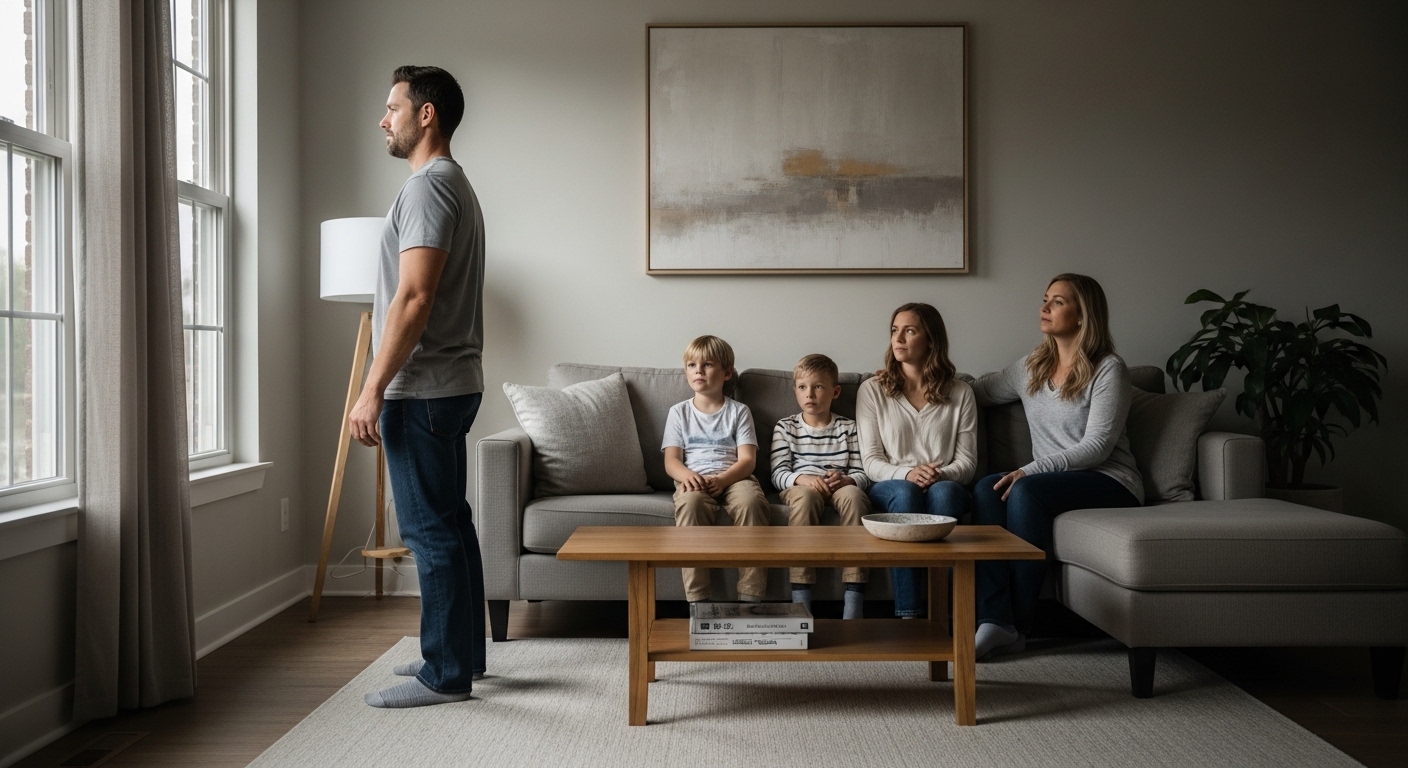
Something small might spark it, though few walk into chaos alone. Over months, small slips pile up – not because someone meant to break things, but because attention drifted too often elsewhere. Trust fades without notice, often while everyone keeps saying it’s fine. He might show up, then walk away; silence speaks louder than shouts here. What looks like routine living becomes ground where bonds weaken slowly. Notice how space grows between words, how laughter fades without reason. Children sense change long before adults admit it. Presence matters less when effort feels half-hearted. Communication stalls when questions go unanswered too often. Without real ownership, progress stays shallow. Recognizing these shifts helps steer outcomes toward safety rather than collapse.
Ignoring Everyday Responsibility

Skipping tasks each day puts a strain on relationships because one person’s efforts go unseen. Without consistency, trust fades slowly while expectations pile up unnoticed. Children notice when things get ignored even if no one talks about it later. What begins as a small gap grows into distance once routine fades without recall.
Communicating Only When Problems Explode

Putting talks away when things get tense teaches a home to link words to annoyance. Speaking quietly and often, without drama, slowly reshapes how people interact. Moments without talk then replaced by loud reactions tend to weaken bonds instead of strengthening them.
What if treating work meant disappearing forever?
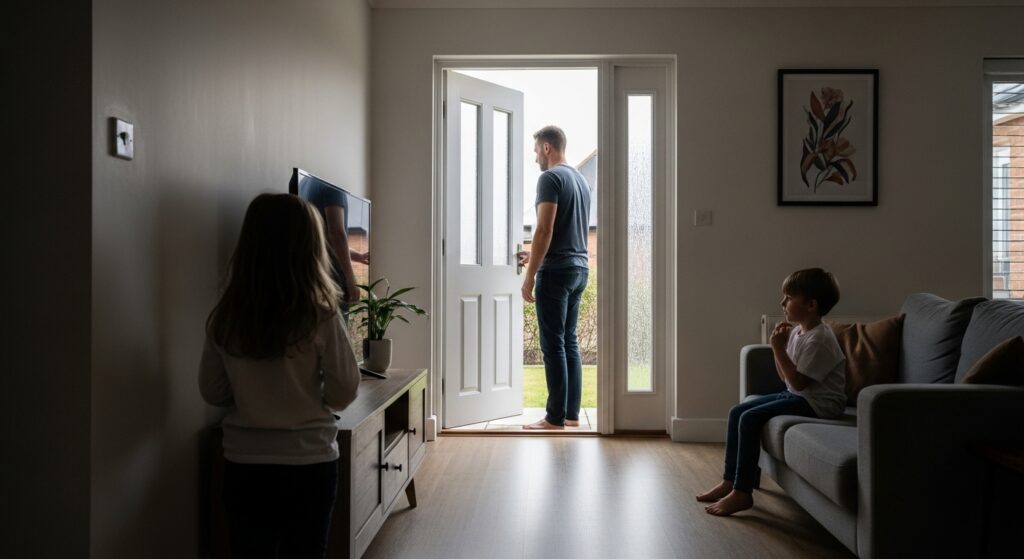
Money concerns are real, yet tying job demands to skipping family moments hints at where value really lies. Kids see effort – whether someone walks in the door daily, while those left behind feel the gap clearly.
Dismissing a Partner’s Perspective

When dismissal replaces response, it becomes clear some input counts less than others. That shift, slow at first, pulls friends apart – space grows where trust once stood.
Modeling Poor Emotional Control

When anger flares often, kids learn harsh ways to react, wearing down their partner too. Calmness that holds steady brings trust; chaos in talks brings dread instead.
Avoiding Accountability After Mistakes

Shifting blame might seem like shielding oneself at first, still it erodes trust slowly. Taking responsibility fixes issues quicker than making up reasons why.
Undermining Consistency at Home

When things shift but no one talks, kids get mixed up, adults grow tired. A steady way of doing things brings order, something many households count on to stay calm.
Putting Personal Comfort First

If being handy comes before what relatives want, bonds start seeming like deals made on demand. A little giving no matter how little shows trust shows up.
Failing to set healthy boundaries

When outside demands shadow family moments, homes get ignored. Setting limits keeps space for relationships, focus, and inner stability.
Withholding Appreciation

Effort often goes unspoken, yet it shows whether someone truly cares. When recognition happens now and then, trust grows along with effort. Motivation sticks better when recognition follows each try.
Resisting Growth and Learning

When change is ignored, familiar issues simply shift shape instead of fading away. Folks who move forward together grow alongside their loved ones – others, however, drift further into isolation.
