
Something gentle yet deep is happening in today’s world, where lasting friendships slowly fade because money stress, shifting values, and new norms get in the way. This slowdown in close relationships goes beyond passing fancies – it reveals lasting rearrangements in how humans link up, pledge loyalty, and care for each other through the years. Even though it affects all genders, males face tougher outcomes years down the line thanks to cultural pressures, uneven systems, and their ability to catch on with emotional and connection shifts at a snail’s pace.
Emotional Isolation Deepens Over Time

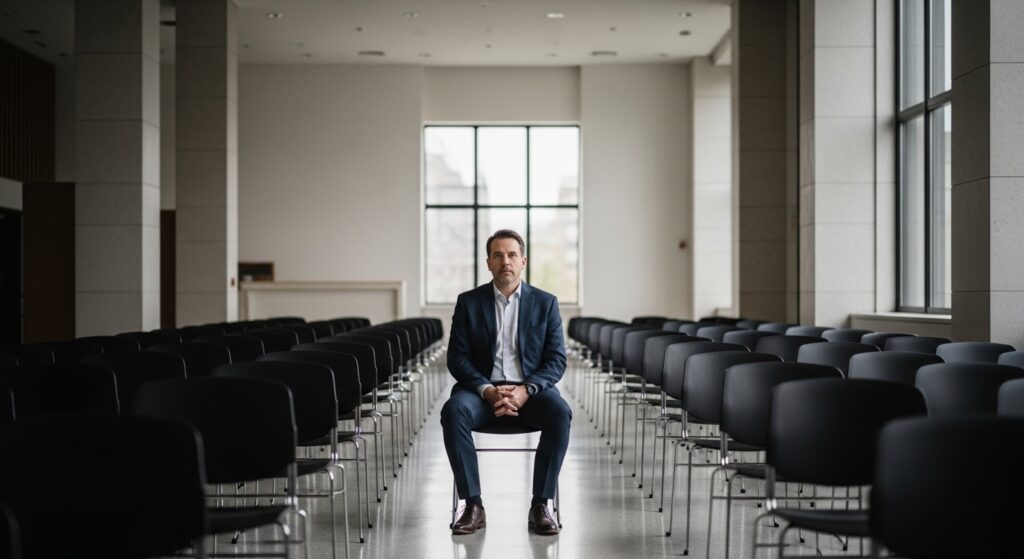
When big relationships fade, men sometimes feel it deeper inside. A steady bond gives shape to daily comfort, yet slowly vanishes without loud warnings. Loneliness builds slowly, like dust piling up behind closed doors, making space hard to clear once filled.
Social Support Networks Remain Narrow

When friendships fade, men often have fewer safety nets because their networks tend to be smaller and less open with feelings. This difference makes starting anew after loss harder for them compared to women.
Economic Stress Amplifies Personal Disconnection

When money feels unpredictable, what matters changes too, along with how people connect. Because boys and men often learn their value through earnings, tough times in relationships can sting like defeats inside themselves, not just mutual struggles.
Shifting Expectations Outpace Adaptation

Nowadays, how people talk, feel, and work together keeps changing fast. Still, plenty of men missed learning those parts back when they were young. That difference between new norms and personal comfort is starting to stretch wide.
Health Outcomes Are Closely Linked to Connection

When people close to us feel isolated, health often slips quietly downward. Men tend to struggle more when bonds fray – they rarely reach out alone for support or checkups ahead of trouble.
Identity Becomes Less Anchored

Long-held views of manhood once tied deeply to steady partnerships, yet when such foundations shift, people – especially men – often find empty spaces where meaning used to live, missing new ways to measure worth just as deeply.
Loneliness Carries Long-Term Consequences

Loneliness that lasts touches mind, strength, and how one feels about life – yet boys and men face higher risks since they often avoid speaking of inner pain sooner.
Institutions Lag Behind Social Change
Most workplaces, hospitals, and local groups still follow old patterns when it comes to how men connect emotionally. Because long-standing friendships and intimate ties are fading, those cracks in care are now harder to ignore.
Adaptation Requires Intentional Effort

It’s true – women usually grow up learning how to read emotions and adapt in relationships. Men, on the other hand, face the challenge later on, which isn’t impossible, yet certainly more difficult when childhood misses that shaping.
