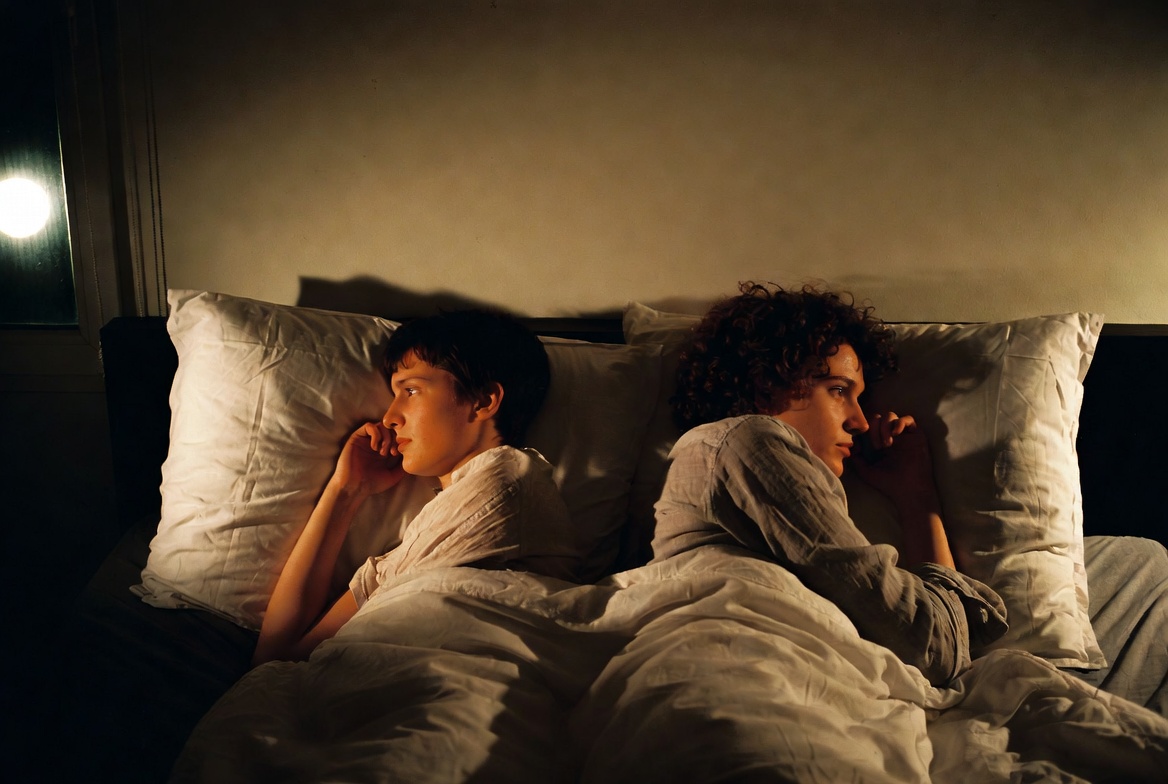
The Restorative Buffer: Why Sleep Autonomy Matters More Than Expected The shared bed has existed as the permanent standard for ultimate relationship commitment since ancient times. The data from clinical studies together with relationship surveys show that sleep compatibility has emerged as the primary factor which determines whether partners will stay together for life. The couple’s relationship depends on emotional and financial compatibility but they fail to recognize that sleep serves as an essential biological need. When two people try to share one space their different sleep patterns and temperature preferences and sleep disorders create “sleep debt” which makes them feel permanently cranky and unable to empathize with others. Couples who choose Sleep Autonomy through their use of separate blankets and separate mattresses and separate rooms discover that their choice functions as a self-care method which helps them maintain their sleep needs while enhancing their relationship.
The Chronotype Mismatch (Larks vs. Owls)

Biological rhythms are genetically influenced. The partner who shares a bed with a “Morning Lark” and “Evening Owl” must experience social jetlag which decreases their ability to think and control their emotions.
The Neurobiology of “Morning Resentment”

Shows that sleep deprivation causes people to become more sensitive to minor stressors because it damages their amygdala. Morning arguments between couples occur because they blame their disagreements on “wrong things” which actually result from their body’s need for sleep after losing REM cycle time.
The Goldilocks Zone shows

That research found people need to lower their core body temperature before they can fall asleep. The differences in thermal preference between partners who have hot sleeper and cold sleeper characteristics prevent them from achieving deep restorative sleep.
The partner who moves during sleep
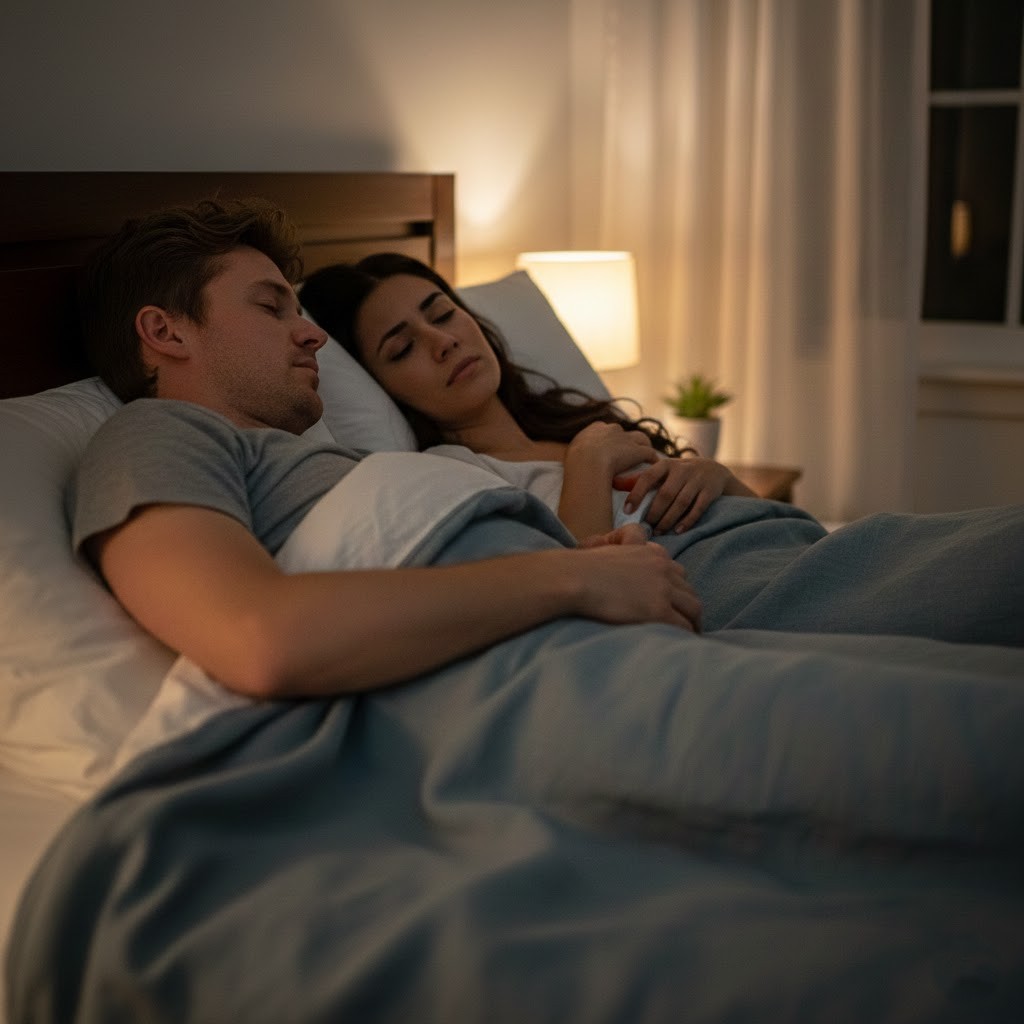
Causes the other partner to experience micro-awakenings even though they remain asleep. The brain needs to complete 90-minute sleep architecture cycles which include waste clearance in order to finish its sleep cycle.
The Stress Response to Auditory Disruptions
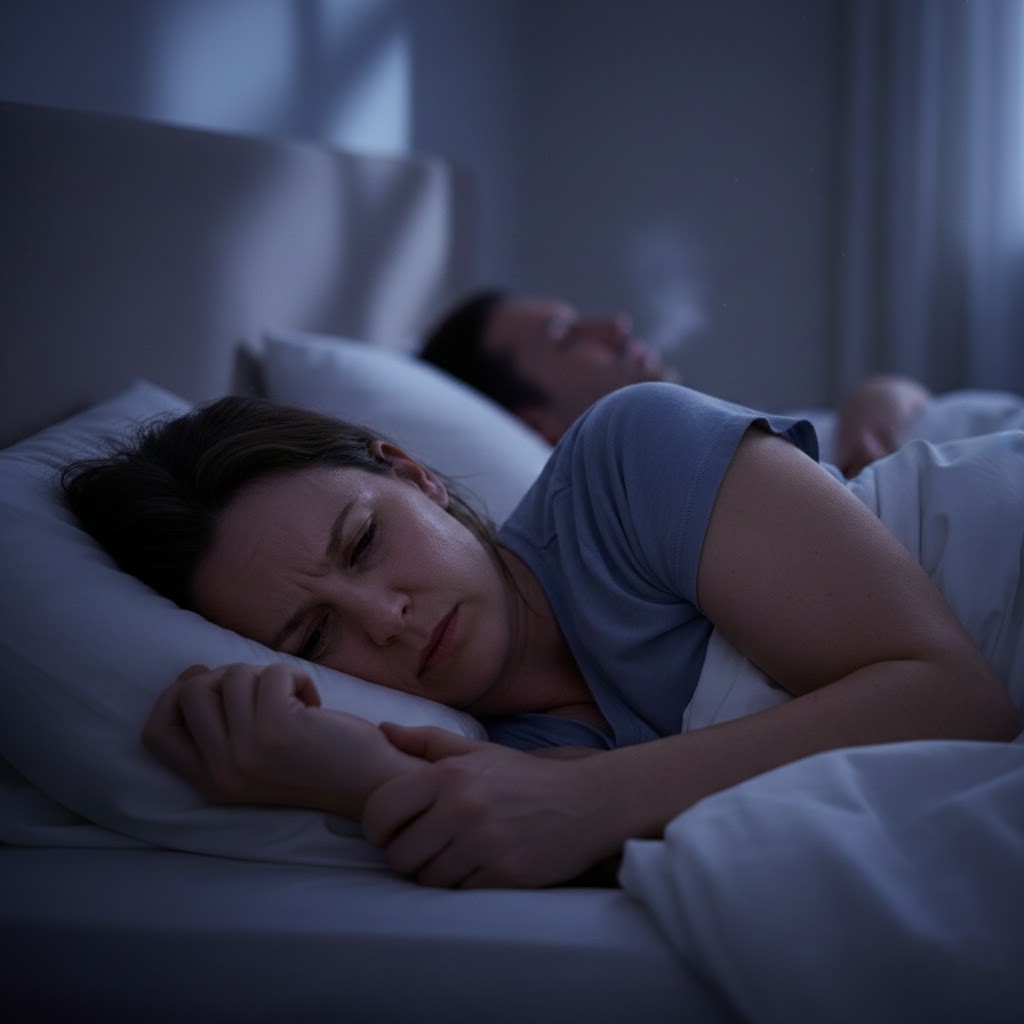
Occurs when snoring or heavy breathing reaches decibel levels which activate the sympathetic fight-or-flight response in the listener. The sounds which people hear during sleep lead to elevated baseline cortisol levels because of their continuous exposure.
The glymphatic system

It cleanses the brain of metabolic waste during deep sleep. The body requires deep sleep rest periods to carry out the detox process which helps eliminate metabolic waste from the brain and relationship partners lose their patience when they do not get enough sleep.
Sleep Autonomy as Self-Kindness

Choosing to prioritize one’s own sleep environment is a functional form of self-kindness. The situation shows that partners who need to meet biological requirements will develop better support capacity for their relationship.
The sleeping space
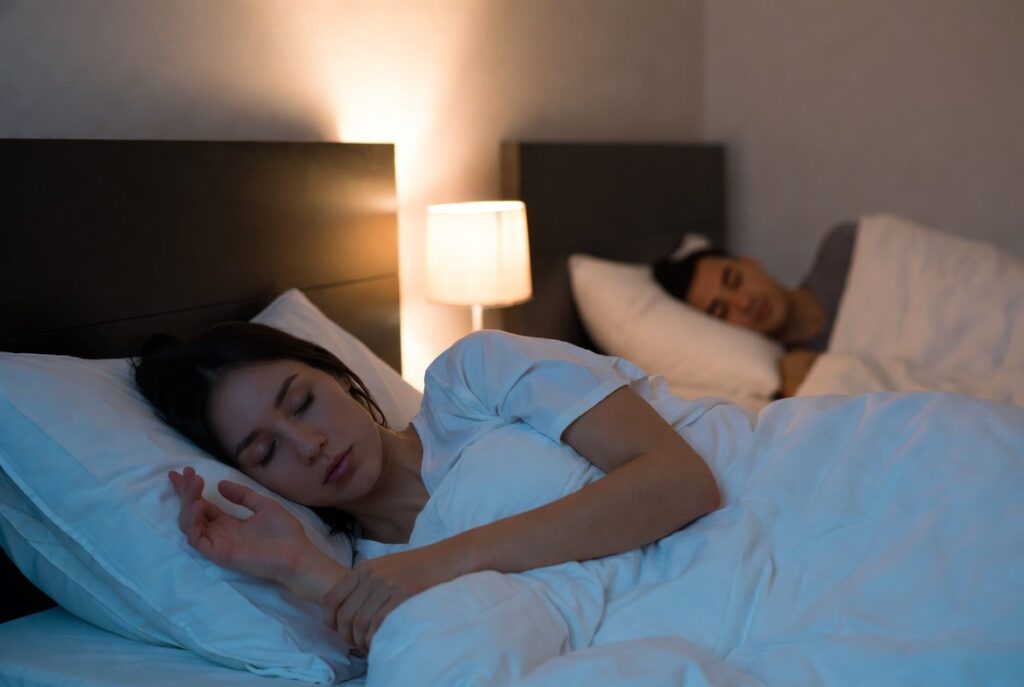
Need to be separated because it allows both partners to control their personal space needs. The physical boundary of a relationship partnership maintains individuality within the relationship structure according to relational experts because it helps partners establish their personal space.
The relationship between partners shows
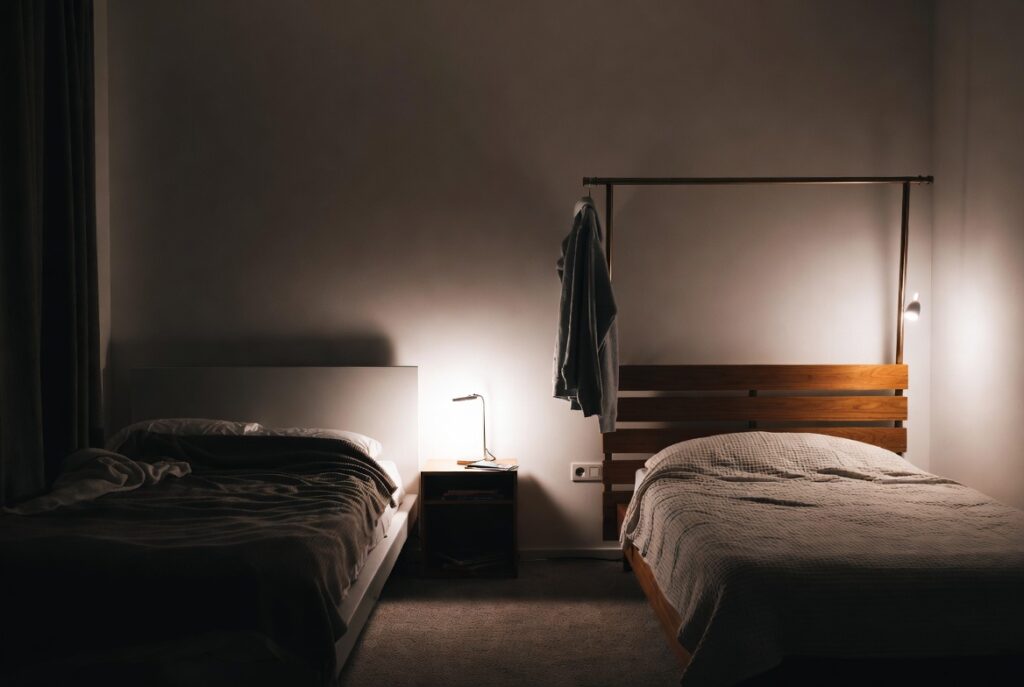
That couples who use sleep divorce experience better physical intimacy between them. The bedroom transforms into a space for dedicated connection after eliminating shared sleep challenges which create logistical conflicts between partners.
The Cover War needs a solution

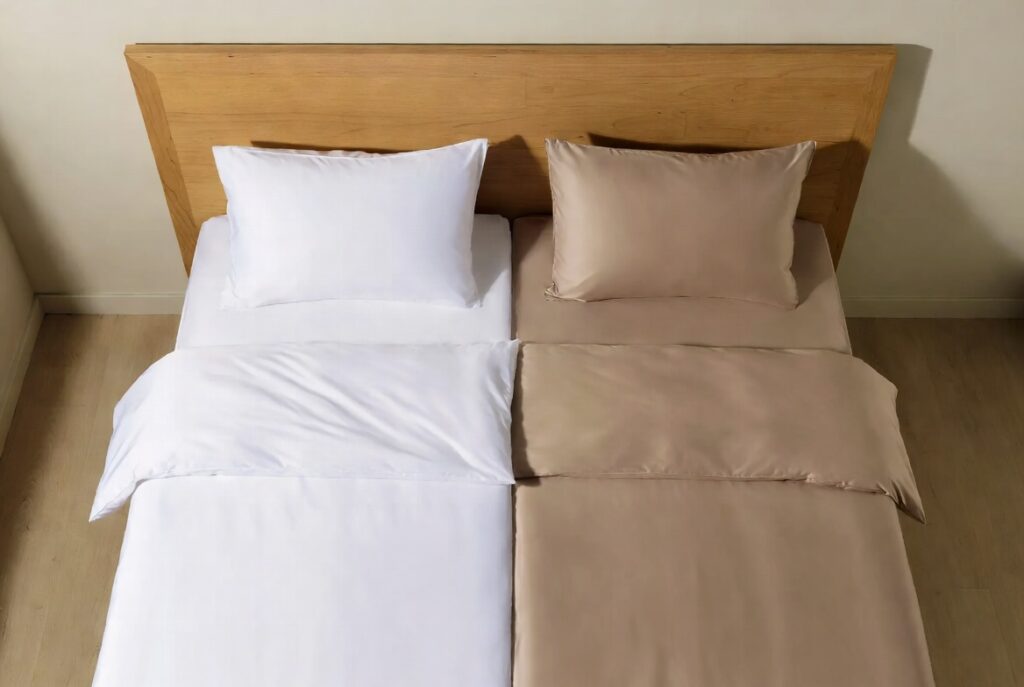
Because it damages both partners’ sleep when they fight over shared blankets. The Scandinavian Method shows that two separate duvets on one bed create a minor change which reduces nighttime sleep disturbances for users.
Sleep-deprived people experience difficulties
In “reading” the non-verbal signals their partners send. The prefrontal cortex requires sufficient sleep for its complete operation which enables better communication through detailed and compassionate interactions.
The mental process of worrying

About “waking the other person up” leads to people developing hyper-vigilance which prevents them from achieving complete relaxation. People can move and cough or get up from their seat without feeling bad because their partner will not hear them.
