
The human body and mind operate through sophisticated signaling systems that communicate internal status long before a significant crisis occurs. The presence of quiet warning signs manifests through subtle changes which people interpret as their response to contemporary stress factors. The early indicators which individuals in high-performance culture should identify include micro-changes in cognitive processing and slight alterations in physiological rhythms but people often ignore these signs. The process of recognizing these signals through objective assessment enables organizations to implement preventive measures which protect their system from major operational disruptions. The ability to recognize small shifts from personal “normal” health status functions as the foundation which supports lasting health sustainability. The signs exist to guide people toward needed recovery paths rather than indicating that a major crisis exists.
A Subtle Rise in Resting Heart Rate

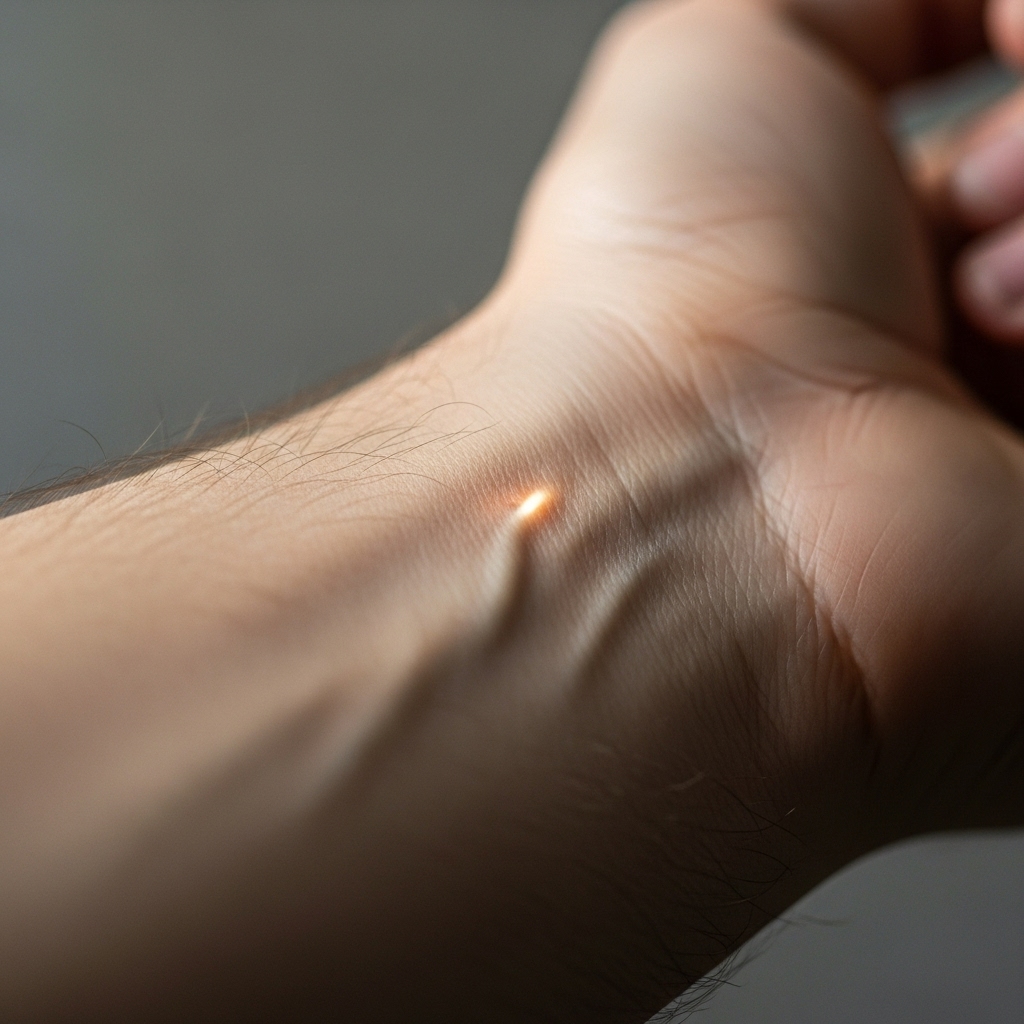
The autonomic nervous system might experience under-recovery when your baseline heart rate shows a consistent five to ten beats increase from your normal range. The body shows low-level physiological distress because of this condition which appears to keep body systems operational.
The “Weekend Headache” Phenomenon The “let-down” stress
Response becomes evident when you develop a headache which begins immediately after your work stops on Friday or Saturday. The body enters an adrenaline and cortisol crash state which produces blood vessels to expand.
Heightened Sensitivity to Sensory Stimuli

Your nervous system experiences sensory overload when background sounds and bright light and particular fabric textures become overwhelming to you, because your body can’t handle the incoming sensory input.
Changes in Social “Battery” Life

A person moves from moderate social behavior to a strong need for social withdrawal when their internal emotional power drains because of outside personal commitments.
Inconsistent Posture and “Neuromuscular Slumping”

People who experience sudden difficulty in maintaining upright posture should note that their head weight feels excessively heavy because low neuromuscular energy keeps them from standing straight. The body conserves physical energy through its mechanism which decreases muscle activity.
Inability to Make Low-Stakes Decisions

When you find meal choice or movie selection to be forward daunting, you have entered into the experience known as “decision fatigue.” The prefrontal cortex becomes exhausted because it handles more vital stress factors than it can handle.
Waking Up Minutes Before the Alarm

The pattern of waking up before your alarm while experiencing a rapid heartbeat indicates that your body operates at hyper-vigilance because high cortisol levels persist during morning hours.
A Lingering “Niggle” or Minor Injury

The small ache in your body which takes twice the normal duration to heal serves as a warning that both your immune system and cellular repair functions have reached a state of reduced priority.
The Disappearance of “Micro-Joys”

When someone starts to experience neutral feelings toward their daily activities, which normally bring them satisfaction, they have reached the initial stage of anhedonia and emotional burnout.
Persistent Jaw Tension or Teeth Grinding

Most people should recognize their jaw tightness because it serves as a physical indicator for stress that stays concealed to others. People experience muscle tension through their body which occurs during nighttime sleep and when they handle demanding work assignments.
