
The Bible and the Quran are regarded as two most powerful religious books in the history of the world as they formed the beliefs, cultures, and moral codes of billions of people throughout the centuries. Although they represent other religious backgrounds, there are some similarities in their foundations in monotheism, and represent overlapping stories that remain to be contemplated, discussed, and learned by different communities around the world.
Shared Origins

The two texts can be traced to the Abrahamic tradition, and their spiritual ancestors are the name of Abraham, who is respected as an example of faith and submission. This common core establishes significant links between the teachings in each scripture particularly in respect to the belief in a single God.
Divine Message
Both books have been seen by their believers as revelations by God, which provide followers with instructions on how to lead a righteous life. Bible is regarded as a compilation of books which are inspired by God whereas Quran is considered to be the direct and final word of God which was revealed to the Prophet Muhammad.
Prophetic Voices
Both texts have many prophets with the likes of Moses, Noah, and Abraham being among them. Their narratives may vary in details, but their functions as the servants of the divine message do not change: the moral responsibility and piety are important.
Concept Of God

The two scriptures firmly hold the beliefs that there is one God who is all powerful, merciful and just. The perception of the nature of God is however different especially in the manner in which every tradition perceives divine qualities and relations with mankind.
Scriptural Structure
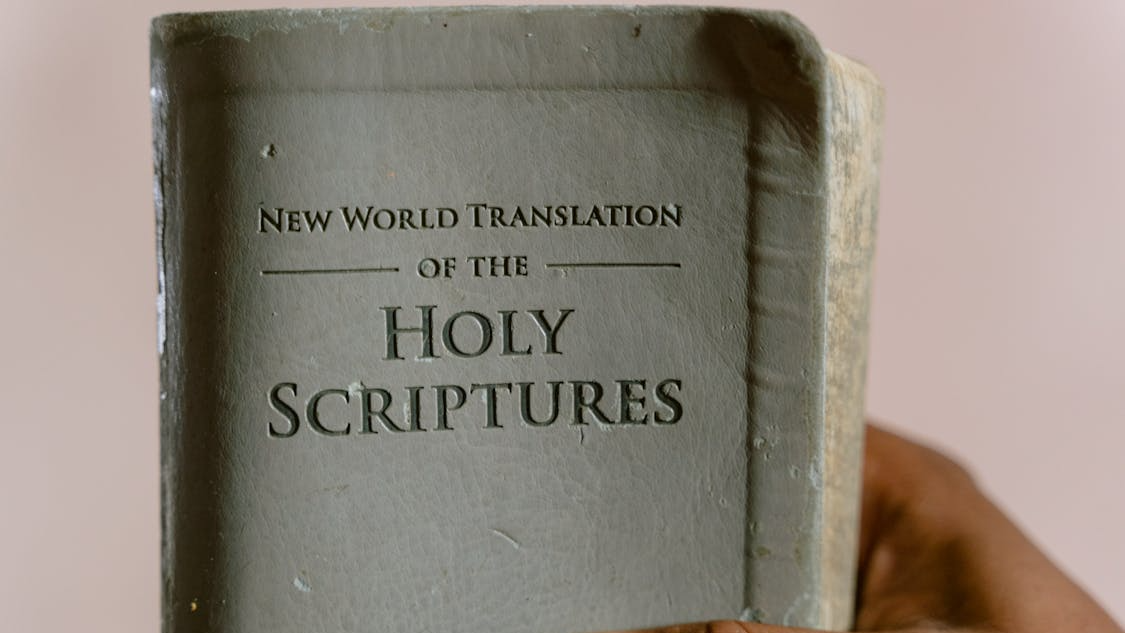
The Bible is a group of books, composed by various authors during centuries, which are separated into the Old and New Testaments. Conversely, the Quran is one text, which was reliably received over several years and in a regular form of language.
Language And Style
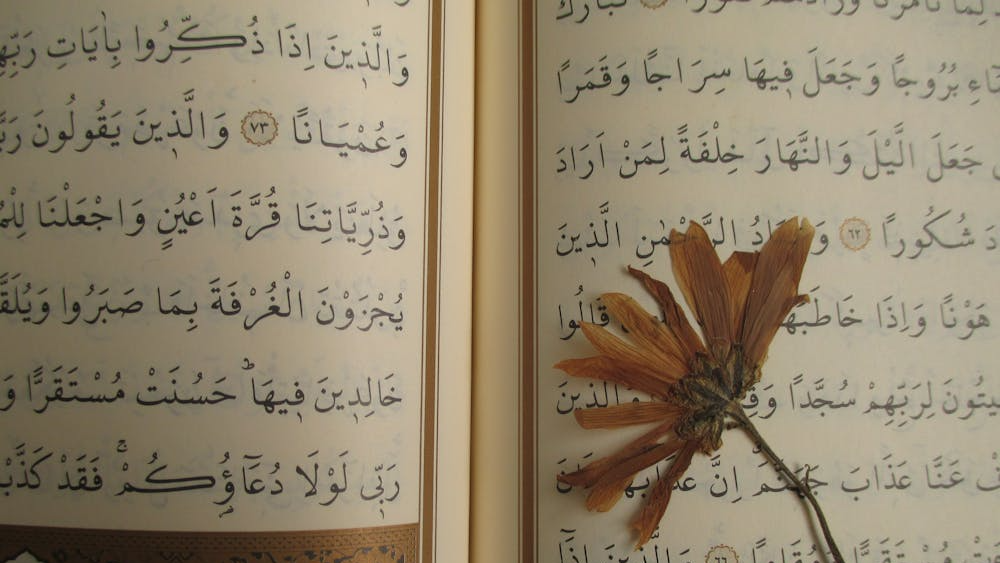
The Bible was initially written on Hebrew, Aramaic and Greek languages and hence represents diversity of literary styles such as poetry, history and letters. The Quran is written in Arabic and it has a rhythmic and poetic nature and has a meaningful impact in its native language.
Moral Teachings
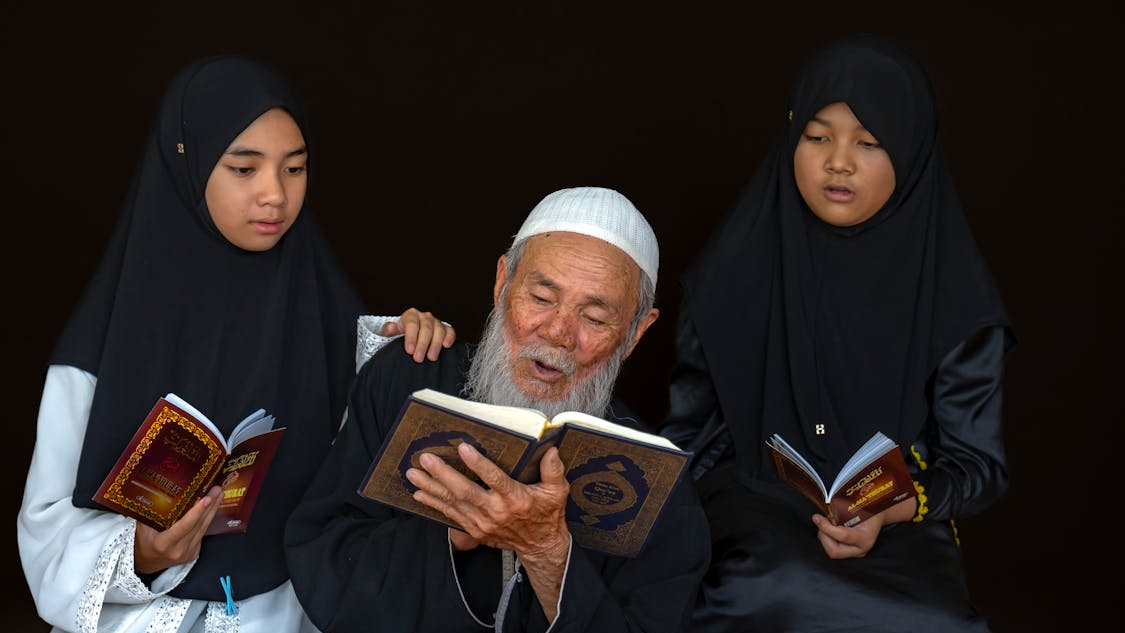
Compassion, justice, honesty, and concern to others are among the values highlighted by both texts. They teach the believers to live moral lives and to be conscious of their deeds, emphasize the concept of accountability and the value of intentionality.
Law And Guidance
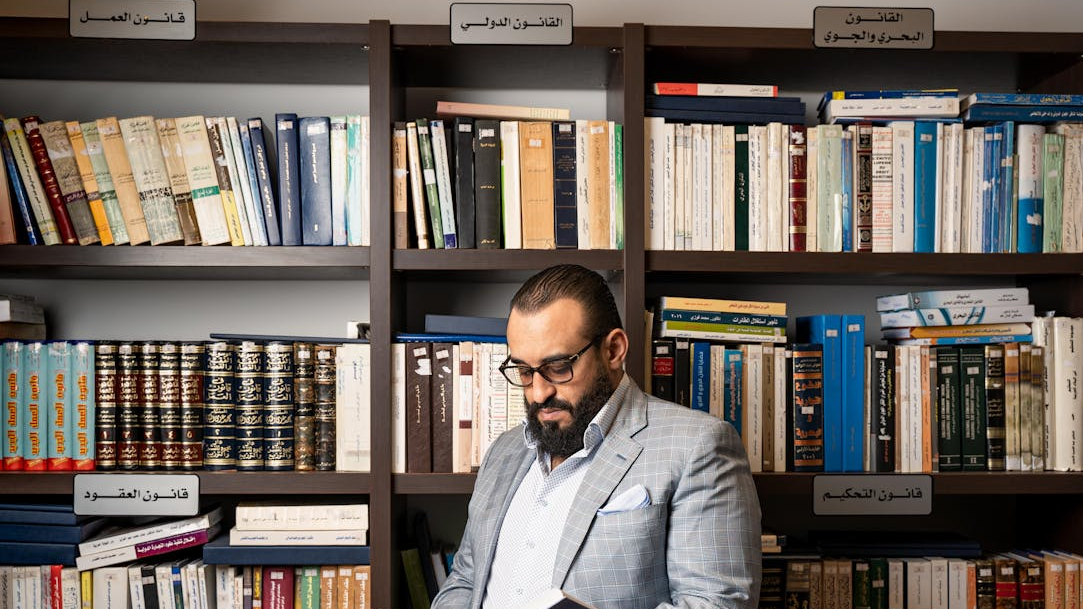
The Quran offers an elaborate guideline on how people should live their lives, both legally and socially. Laws are also found in the Bible, especially the Old Testament although in the New Testament more emphasis is laid on spiritual rules and teachings.
View Of Jesus
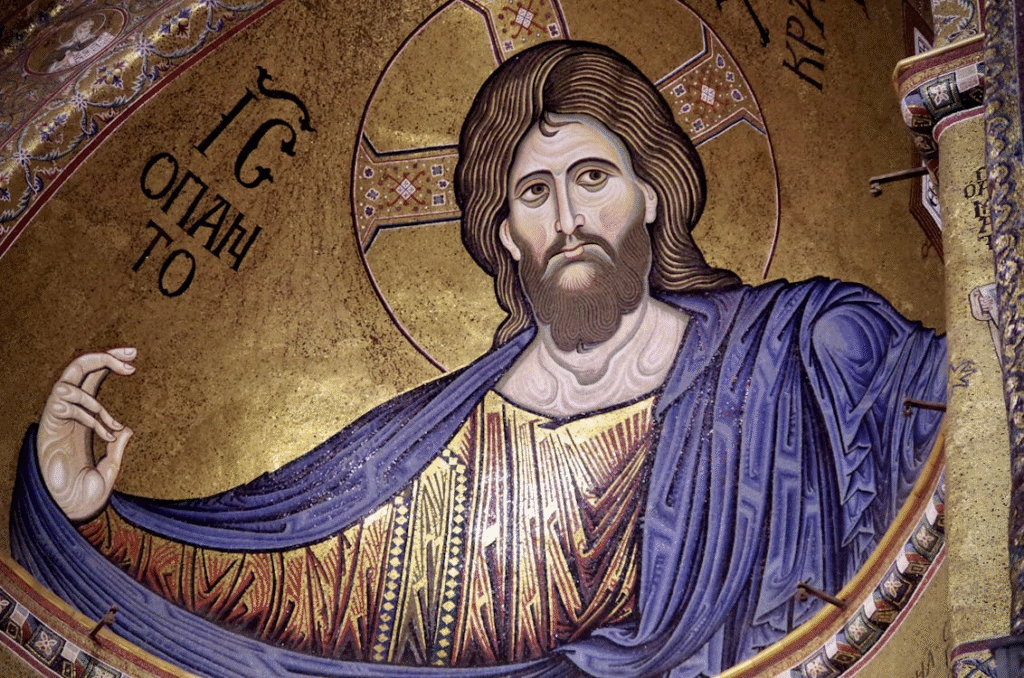
Jesus plays a significant role in the two scriptures but his role is perceived differently. He is the central figure in faith in the Bible because of his role as the Son of God and Savior, whereas in the Quran, he is venerated as a prophet and messenger, born by miracle but not as a deity.
Role In Life

Both the Bible and the Quran offer solace, knowledge and guidance to believers. They also affect individual actions, social norms and spiritual introspection, and they continue to inform the daily lives of millions.
