
The Bible is not the voice of one man, but a wonderful compilation of literature that has been developed over centuries by prophets, kings, priests, apostles, shepherds, and scholars. Knowing the men who have long been linked with its books, readers not only learn to appreciate the wealth, history and spiritual depth of Scripture, but also discover how the various encounters in life and calling converged to create one of the most effective books ever written in the history of humanity.
Early Lawgivers
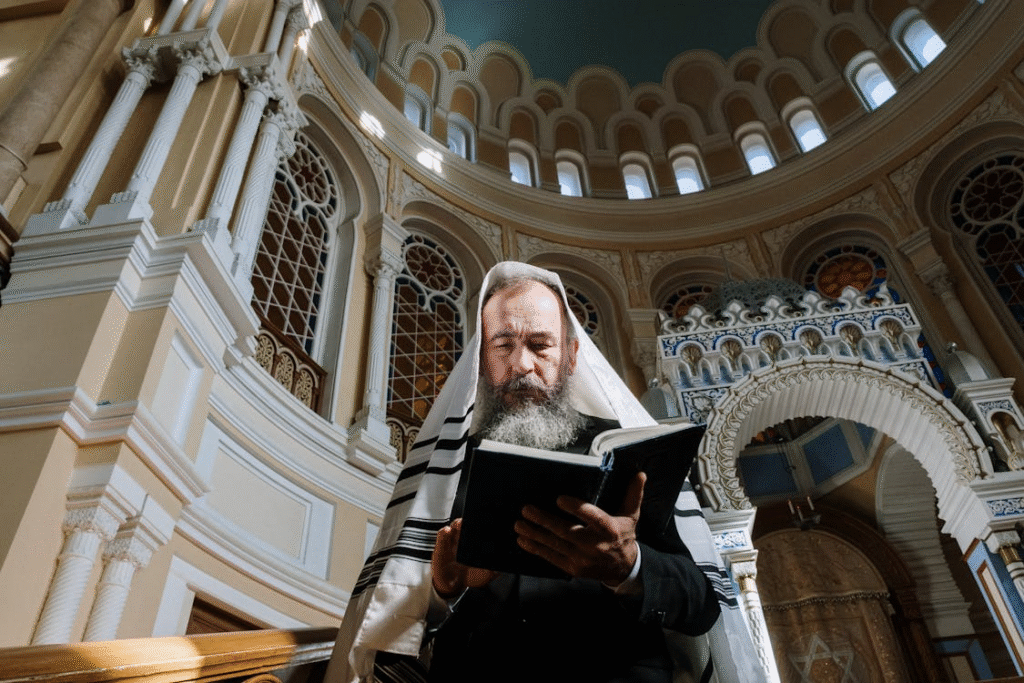
Moses is regarded as one of the most significant biblical writers who are said to have authored Genesis, Exodus, Leviticus, Numbers and Deuteronomy, commonly referred to as the Pentateuch. His works are the basis of biblical law, the history of covenants, and the identity of Israel in the first place. Joshua as well is connected to the book bearing his name, which carries on the narrative of the Israel settlement in the Promised Land, and echoes the leadership of a military leader who was committed to the teachings of God.
National Voices

Samuel is traditionally associated with Judges, Ruth, and parts of First and Second Samuel, although other prophets of that time, like Nathan and Gad, may have also worked on these books. These authors aided in the continuation of Israel out of tribal confederacy to monarchy. Nathan and Gad, who were closely related to the reign of King David, are remembered as prophetic record keepers whose voices contributed to the development of the historical memory of the kingdom of Israel.
Royal Writers

David is one of the most popular biblical writers, who is traditionally related to numerous Psalms. His poetry is a confession of awe, regret, faith, sorrow and happiness with a compassionate emotional frankness. Solomon was the son of David and is traditionally linked to Proverbs, ecclesiastes and song of Solomon. His works display wisdom, thought about the meaning of life, and the beauty of the divine order, and thus he is among the most influential literary personalities of Scripture.
Wisdom Teachers

Agur and Lemuel are minor characters of the book of Proverbs. Agur is conjoined with Proverbs 30, wherein his sermons highlight humility and submission to God. Lemuel is linked to Proverbs 31, which contains teachings on moral power, astute leadership as well as the well-known portrait of a noble character. Their quick glimpses remind the readers that biblical wisdom belonged not just the renowned kings and prophets.
Major Prophets

The key prophetic authors are Isaiah, Jeremiah, Ezekiel and Daniel whose books have monumental theological and historical significance. Isaiah is an author full of judgment, hope and redemption visions. Jeremiah, the so-called weeping prophet, also is traditionally identified with Lamentations, which laments the fall of Jerusalem. Ezekiel introduced the symbolic visions of power in the exile whereas Daniel integrated the court narrative with the prophetic revelation, which gave hope in the foreign conquest.
Twelve Prophets
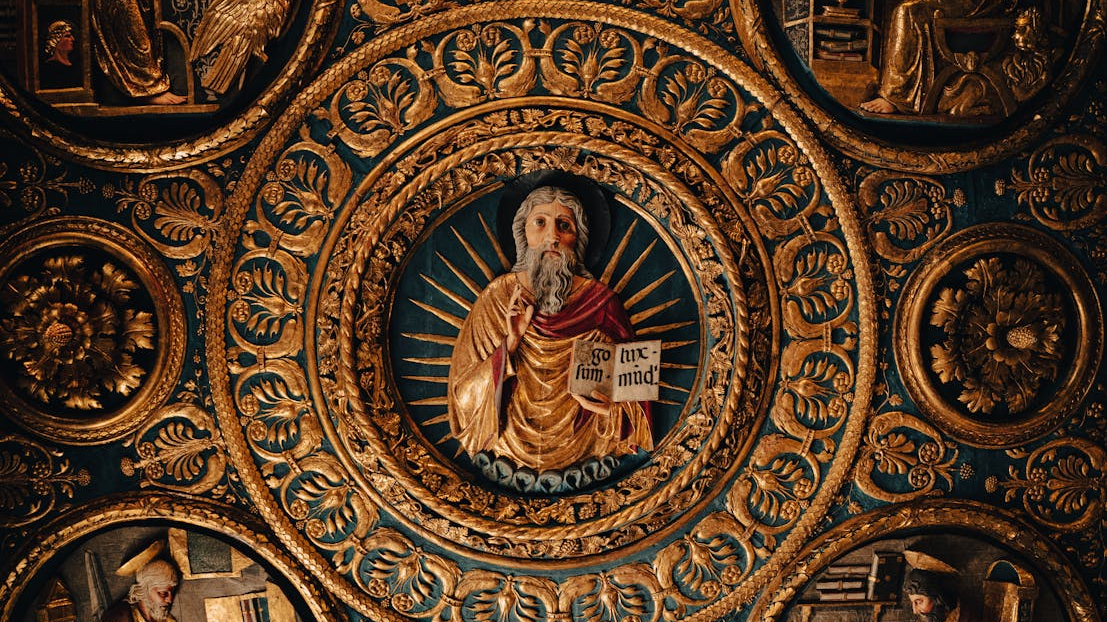
The Minor Prophets refer to Hosea, Joel, Amos, Obadiah, Jonah, Micah, Nahum, Habakkuk, Zephaniah, Haggai, Zechariah and Malachi, not because they are not so important, but because their books are shorter. Each of them brought its own message. Hosea appealed to his own experience to describe faithfulness to covenant, Amos had stressed on justice, Jonah on the mercy of God, and Malachi on calling back the people of God to reverence and obedience after they were exiled.
Priests Scribes

Ezra is also traditionally identified with the book of Ezra and possibly was involved in the compilation of some of Chronicles. He played an important role as a priest and scribe in preserving the law and restoring worship following the Babylonian exile. Nehemiah is associated with the memoirist aspects of the book titled with his name which give the book a very personal tone of voice, the restoration of the wall of Jerusalem and the restoration of the covenant community.
Gospel Witnesses
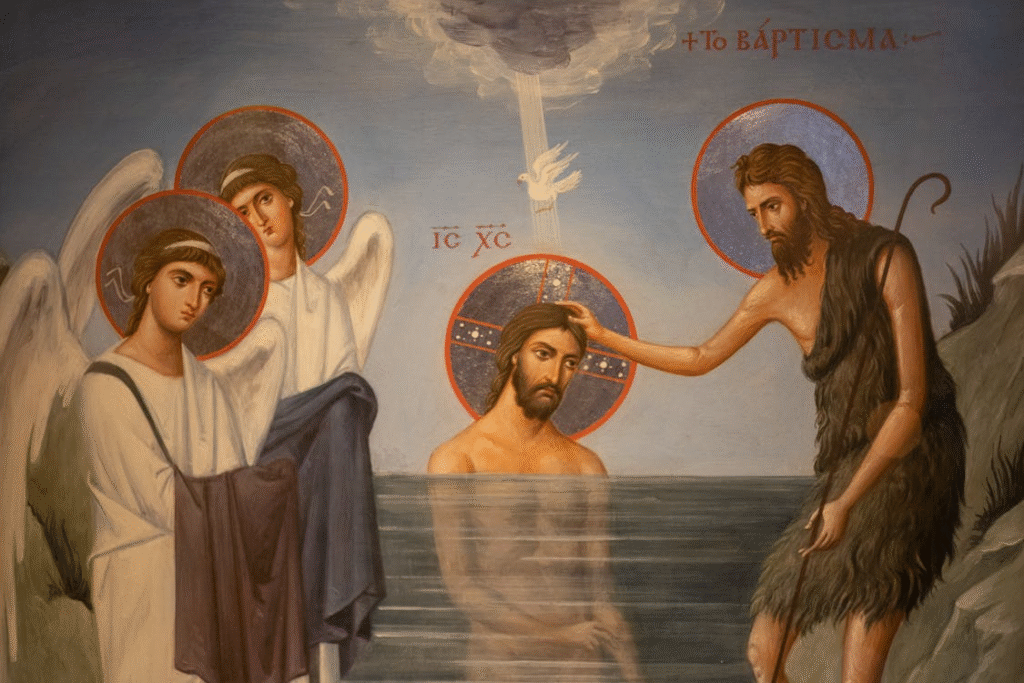
The four writers of the Gospels in the New Testament include Matthew, Mark, Luke and John whose writings hold the life, teachings, death and resurrection of Jesus Christ. Matthew was very conscious of prophecy and fulfilment, Mark was a very fast paced reader, Luke was a very well organised and studied author and John was a very theological portrait. The two of them constitute the core of the Christian knowledge about Jesus.
Apostolic Letters
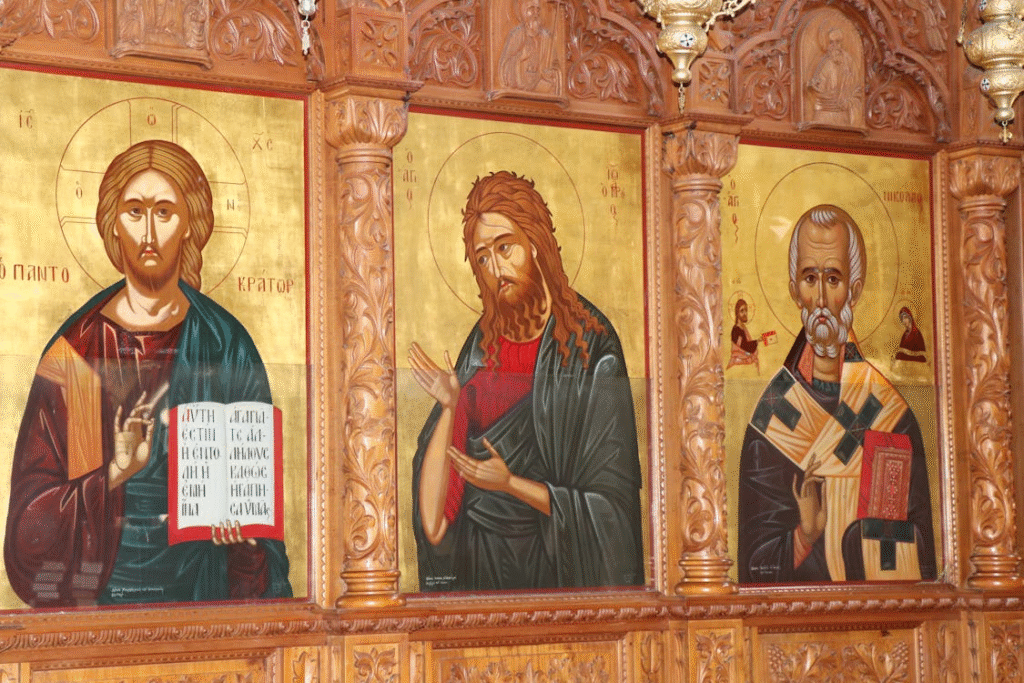
Paul is the most prolific writer of the New Testament, and is traditionally attributed with the authorship of Romans, First and Second Corinthians, Galatians, Ephesians, Philippians, Colossians, First and Second Thessalonians, First and Second Timothy, Titus, and Philemon. The epistle of James was written by James, and Jude was written by Jude, Peter wrote First and Second Peter. The writer of Hebrews is unknown, although it has been suggested that at one time Paul was the writer. First, Second and Third John and Revelation are also traditionally attributed to John, which makes him one of the most influential voices in the Bible.
